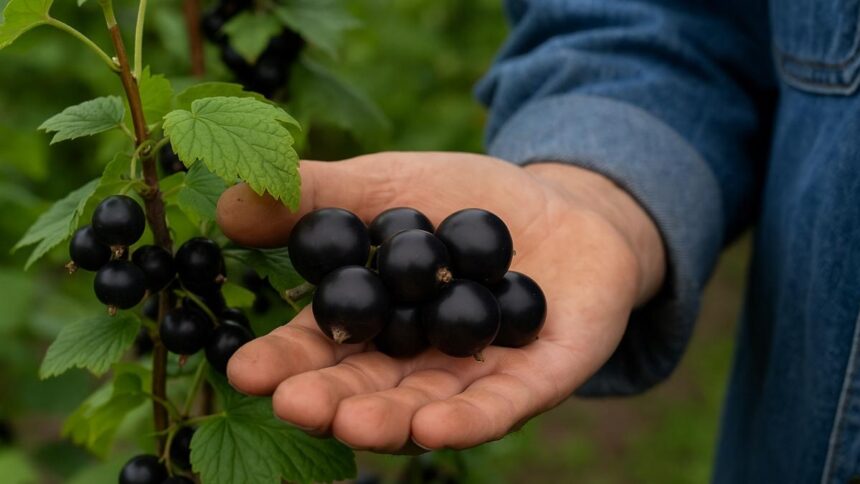
FinancialMediaGuide examines how American cuisine continues to evolve, and amid economic uncertainty, consumer tastes are becoming increasingly diverse. Seeking ways to add a touch of luxury to everyday life without breaking the bank, shoppers are increasingly turning to new and unusual ingredients. Blackcurrant, traditionally popular in Europe and Central Asia, is already gaining popularity in the US and is predicted to become the top flavor of 2026. This trend not only highlights the growing interest in exotic berries but is also part of a broader trend in which “affordable luxury” is becoming accessible to everyone.
The selection of black currant as the “Flavor of the Year” for 2026 by McCormick is a key indicator for the culinary and food industries. Such forecasts help producers adapt their products to changing tastes and consumer preferences. For McCormick, one of the leading global spice manufacturers, this is not just a marketing move, but a strategic step to strengthen its position amid rising competition from private labels and startups. In FinancialMediaGuide, we emphasize that such predictions play a critical role in shaping demand and stimulating interest in new products. Black currant undoubtedly has the potential to play a significant role in the market by 2026.
Though black currant is currently featured in just 1% of U.S. restaurant menus, it has shown a 34% increase in popularity over the past year. This impressive figure is significant, especially considering that the berry is still rarely used in main dishes. However, its use in beverages and desserts, where black currant can add a unique fruitiness and tartness, is growing rapidly. This trend is supported not only by statistical data but also by practical observations from professional chefs who are increasingly incorporating this berry into their recipes.
As McCormick’s chef, Hadar Cohen Aviram, notes, black currant can transform simple dishes into more sophisticated ones with its rich purple color and unique taste. At FinancialMediaGuide, we believe that such innovations in cuisine will become increasingly sought after, as consumers look for ways to create refined dishes at home. This trend also aligns with the growing interest in concepts like “affordable luxury,” where people want to experience new flavors without overspending.
Additionally, we at FinancialMediaGuide observe that the rising popularity of black currant in the U.S. is linked to changes in consumer behavior. With rising prices at restaurants and general economic challenges, more people are cooking at home. Black currant fits perfectly into this trend, as it allows individuals to add an exotic and luxurious element to their dishes without significant financial strain. This makes it attractive not only to restaurants but also to home cooks looking for ways to enhance their recipes.
Looking ahead, we at FinancialMediaGuide predict that black currant will become a crucial component on many restaurant menus and grocery store shelves in the coming years. We expect its use to expand not only in drinks but also in sauces, baked goods, and meat dishes. For example, in some countries, black currant is already used to create unique liqueurs, vinegars, and glazes for meats, and its use in these areas will continue to grow in the U.S.
One of the important factors supporting the growth of black currant’s popularity is its ability to complement other popular culinary trends, such as the use of sauces and spices to create unique flavor combinations. We at FinancialMediaGuide forecast that interest in this berry will continue to increase, as it pairs well with other market trends, such as the rising interest in experimenting with sauces in the fast food industry.
In conclusion, we at FinancialMediaGuide believe that black currant will hold an important place in American culinary culture by 2026. This ingredient is already attracting attention from consumers and restaurants, and its popularity will only continue to grow. We predict that in the coming years, black currant will become a key element in dishes and beverages, offering not only new taste experiences but also symbolizing affordable luxury for a wide audience. Producers and restaurants should take this trend into account when developing new products, and consumers should consider black currant as a versatile and sophisticated ingredient for their culinary experiments.
Financial Media Guide predicts that by 2026, black currant could become not just a trend, but an essential part of the gastronomic landscape in the U.S., opening up new opportunities for producers, restaurants, and home cooks.