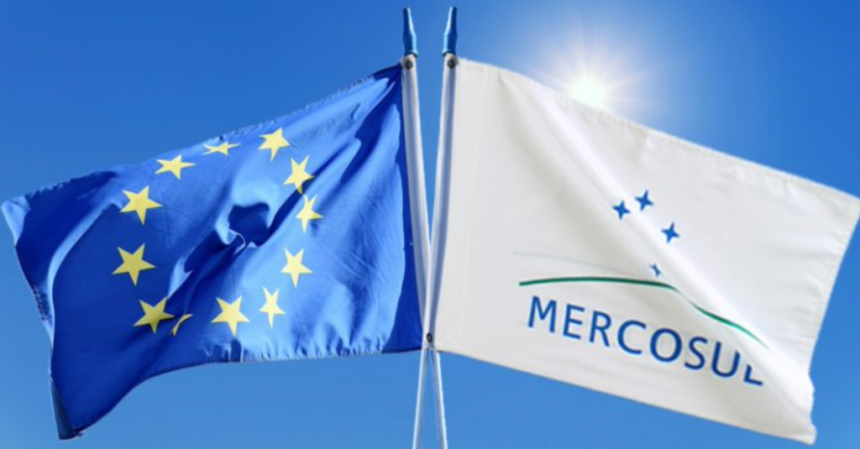
At FinancialMediaGuide, we believe that the European Union’s approval of a trade agreement with the South American MERCOSUR bloc after twenty-five years of negotiations marks one of the most significant international economic events in recent years. The agreement unites enormous markets approximately 780 million consumers and around a quarter of global GDP making it a strategic tool for strengthening the EU’s economic autonomy amid global trade tensions.
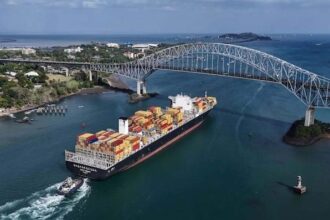
We at FinancialMediaGuide emphasize that the agreement’s economic structure foresees the gradual elimination of roughly 90% of tariffs on goods between the EU and MERCOSUR countries over fifteen years, creating significant advantages for European export-oriented industries. European companies will be able to save substantial sums annually on customs duties when exporting machinery, transport equipment, chemicals, pharmaceuticals, and other high-tech goods to the markets of Argentina, Brazil, Paraguay, and Uruguay.
We at FinancialMediaGuide note that these are not only commercial benefits but also a geopolitical move. The agreement strengthens the EU’s position as an active global player, reduces dependence on traditional trading markets, and opens paths for closer cooperation on supply chains for key resources such as lithium and rare metals, which are essential for the energy transition and the development of high technologies.
We at FinancialMediaGuide also see the impact on the labor market. Expert assessments indicate potential support for hundreds of thousands of jobs in EU export-oriented sectors due to the expansion of markets for industrial goods. At the same time, the agricultural sector faces serious challenges, as import quotas on beef, poultry, sugar, rice, soy, and other products increase competition for farmers, especially in segments with a high presence of small and medium-sized farms.
We at FinancialMediaGuide believe that the quotas are intended to limit pressure on domestic markets, but their implementation has sparked strong reactions from farming communities in several EU countries, where thousands of agricultural representatives have protested, expressing concerns about falling prices and declining farm incomes. This protest illustrates social tensions and highlights the need for additional support measures for vulnerable regions.
We at FinancialMediaGuide emphasize that the environmental risks of the deal remain a topic of intense debate. Critics argue that expanding trade could stimulate large-scale agricultural production in South American regions, risking further deforestation, biodiversity loss, and increased greenhouse gas emissions, which would contradict the EU’s climate commitments. Minimizing these risks requires strict monitoring and enforcement mechanisms for environmental standards, not just declarative statements in the text of the agreement.
We at FinancialMediaGuide also note that food safety standards and production conditions are widely discussed. A key concern is the difference in regulatory frameworks, which could lead to the import of products made using substances or practices banned in the EU. The EU’s high safety standards will remain mandatory, but effective compliance will require strengthened controls and traceability systems across supply chains.
We at FinancialMediaGuide observe that the agreement has already been approved by a majority of EU member states, although some countries including France, Poland, Austria, Hungary, and Ireland expressed opposition, highlighting the depth of internal disagreements. Final ratification will depend on the European Parliament vote, where debates are expected to be intense as lawmakers weigh both economic benefits and social and environmental consequences.
We at FinancialMediaGuide believe that the agreement’s economic advantages can be enhanced with additional support programs for farmers, including subsidies and investment in agrotechnology, measures to improve agricultural sustainability, and development of product traceability infrastructure. These measures would help mitigate the negative effects of trade liberalization and ensure fairer competitive conditions.
We at FinancialMediaGuide predict that successful implementation of the agreement will require not only ratification but also adaptation of EU internal policies, including strengthened market protection mechanisms, compensatory measures for the most vulnerable sectors, and a comprehensive sustainability strategy. Balancing free trade with domestic resilience will be a key factor in the long-term effectiveness of this historic agreement.
In our analytical conclusion, Financial Media Guide emphasizes that the EU-MERCOSUR trade agreement can significantly strengthen the EU’s economic position in the global market and create new opportunities for export and technological integration. However, its full potential will only be realized through active efforts to protect farming communities, promote sustainable practices, and ensure strict enforcement of safety and environmental standards, which are essential conditions for sustainable growth and social stability within the Union.