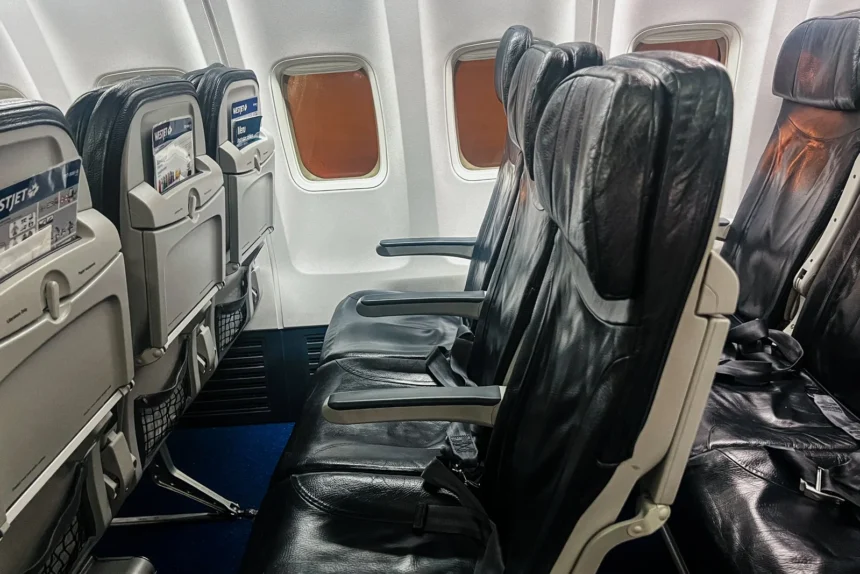
FinancialMediaGuide reports that WestJet Airlines, facing numerous passenger complaints about insufficient legroom and uncomfortable seats in economy class, has decided to accelerate the implementation of new seats with fixed recline. The company’s efforts to improve passenger comfort have encountered significant challenges: increasing seat density has led to negative feedback both from customers and airline staff.
According to the company’s management, based on passenger feedback and employee reactions, WestJet has decided to fast-track its cabin modernization plan, originally scheduled for February, and aims to present a final solution in the coming weeks. Since the new seats, which reduce the space between rows, have been a source of complaints about lack of legroom and the inability to recline, the airline recognizes the need to respond promptly to these challenges.
At FinancialMediaGuide, we believe this situation highlights a key trend in the modern aviation industry: the drive to reduce costs through space optimization. However, it is crucial to balance cost-saving measures with passenger comfort. The reduction in seat space has not only led to dissatisfaction but also raised concerns about the airline’s reputation. In an increasingly competitive airline market, companies that fail to meet basic customer demands risk losing their loyalty.
These changes are also driven by the airline’s attempt to cut operational costs by increasing seat density. However, as practice has shown, increasing density not only puts more pressure on space but also increases the likelihood of passenger dissatisfaction. At FinancialMediaGuide, we emphasize that while cost optimization is always an important part of a company’s strategy, customer comfort should remain a top priority, particularly in the economy class segment.
Experts at the company predict that this situation will require WestJet to adapt its strategies in the near future. Passengers accustomed to more spacious conditions may start seeking alternatives, potentially leading to a reduction in the airline’s market share. It is important to note that innovations such as increased seat density should be implemented with consideration for customer needs, not just for cost-saving purposes. At FinancialMediaGuide, we see this as an important lesson for all market players: long-term customer loyalty cannot be built by continually sacrificing comfort.
Additional problems have also emerged within the company itself. Flight attendants and pilots have expressed concerns about potential health risks associated with reduced space for both staff and passengers. These concerns must certainly be addressed in the company’s future plans. At FinancialMediaGuide, we emphasize that safety and comfort onboard are not just marketing strategies, but essential requirements for adhering to industry standards and maintaining a good reputation.
We at Financial Media Guide predict that if WestJet does not take urgent action to improve passenger comfort, the airline may face serious issues in the future. In the coming months, we expect the airline to either revert to more traditional seat configurations or offer compensatory measures, such as enhanced onboard services or more flexible cabin layouts. We believe that the company’s strategic decisions regarding service quality in this situation could play a key role in maintaining its competitiveness.