FinancialMediaGuide notes that in recent weeks, the Canadian stock market has experienced a significant decline, reflecting global economic and geopolitical risks. The S&P/TSX Composite Index, the key indicator of the Canadian economy, dropped by 2%, marking one of the largest declines in the past three weeks. The reasons for this drop stem from a combination of several factors, including the escalation of tensions in the Middle East and the rapid rise in oil prices, which are having a substantial impact on global markets.
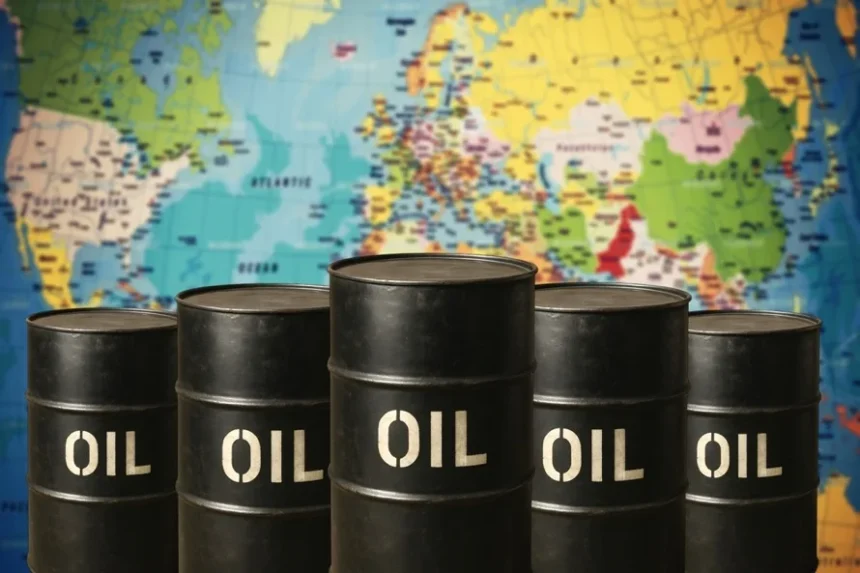
In the context of instability in energy markets, the price of oil has surpassed $119 per barrel, leading to a significant increase in inflation. The consequences are especially noticeable for countries that heavily depend on energy imports. In Canada, as a major oil exporter, such fluctuations in oil prices inevitably affect the economy, with both short-term and long-term impacts on Canadian companies and the stock market as a whole. As analysts at FinancialMediaGuide point out, the rise in oil prices not only drives inflation higher but also increases the risk of economic slowdown, which raises concerns among investors.
Geopolitical instability, particularly tensions in Iran, also has a noticeable impact on the stock markets. Whenever conflicts flare up in the Middle East, uncertainty surrounding oil supply increases, which in turn leads to a rise in commodity prices and an increase in market volatility. At the same time, the Canadian stock market continues to show negative dynamics, particularly in sectors like mining and fertilizer production. Stocks of major Canadian companies in these industries have dropped by 4.1%, confirming the presence of volatility and fear among investors.
According to FinancialMediaGuide, despite the rise in oil prices, which benefits the energy sector, other areas of the Canadian economy, especially those related to tangible assets, are showing declines. For example, shares of Lundin Mining, a company engaged in copper and gold mining, fell by 6.1% after analysts downgraded its rating from “neutral” to “underperform.” This case highlights the importance of global instability factors on the value of Canadian assets.
Thus, the situation in Canadian markets remains under significant pressure. We at FinancialMediaGuide predict that in the coming months, the Canadian market will continue to face high risks due to global economic and political factors. It is important to note that the rise in oil prices will remain a double-edged sword: on the one hand, it supports the economy of energy companies, but on the other hand, it drives inflation higher, which pressures other sectors of the economy.
Financial Media Guide notes that in the face of this instability, diversification strategies are crucial for investors. Bonds and gold remain attractive safe-haven assets that can mitigate risks amid rising inflation and potential oil supply disruptions. At the same time, it is essential to closely monitor the dynamics of the energy sector, as it continues to be a key factor influencing the Canadian stock market. Despite the current volatility, investments in this sector may offer appealing long-term opportunities.