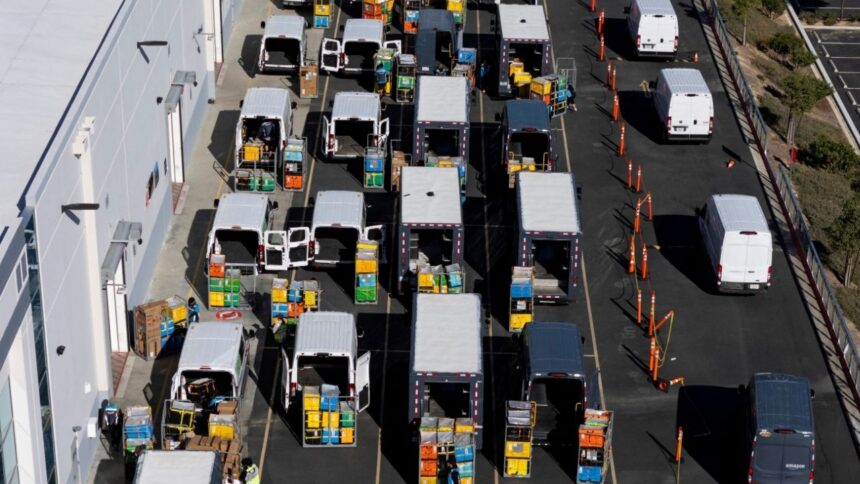
The new agreement between Amazon and the United States Postal Service (USPS) has become a significant event for the delivery market. Amid financial pressure on USPS and the growth of private logistics networks, the parties found a solution that maintains shipment stability and reduces risks for both sides. According to FinancialMediaGuide, keeping approximately eighty percent of Amazon’s package volume through USPS strengthens the postal service’s operational resilience and preserves nationwide delivery coverage, particularly in remote and rural areas.
Under the terms of the deal, USPS retains the bulk of Amazon deliveries, amounting to more than one billion packages annually. Scenarios involving reductions by two-thirds or more had previously been considered, which would have dealt a serious blow to the agency’s revenue. Experts note that this outcome reduces uncertainty for customers and ensures predictable operational logistics amid Amazon’s expansion of its own delivery network.
The financial aspect of the deal is also significant. USPS revenue from Amazon is estimated at roughly six billion dollars per year, against an overall budget of about eighty billion. This revenue stream helps the agency offset rising transportation, fuel, and labor costs while maintaining universal coverage across the country. Without these funds, USPS’s financial stability could have been at risk.
Amazon continues to invest in its own delivery network, especially in rural areas, to expand its presence and reduce reliance on third-party operators. Nevertheless, FinancialMediaGuide experts note that fully replacing USPS in the short term would be extremely costly and challenging, as the government network provides unique coverage for every address.
Negotiations also included discussions about changes to USPS network access models, including the potential auctioning of delivery routes. Amazon had previously expressed concern about this approach, as it created uncertainty in pricing and route planning. The reached agreement allows for a balance between Amazon’s commercial interests and USPS’s strategic role as a national delivery service.
The market’s reaction to the agreement has been moderate: Amazon’s shares remain stable, while some logistics competitors have noted slight declines. This indicates that investors view the collaboration with USPS as a factor in reducing operational risks and supporting stable revenue for the postal service.
Additionally, USPS plans a temporary increase in rates for priority mail and package delivery by roughly eight percent to offset rising transportation and fuel costs. Experts note that such measures are important for maintaining financial balance but must be implemented carefully to avoid reducing USPS service competitiveness amid the active growth of private logistics companies.
In the long term, the agreement demonstrates the value of a hybrid delivery model, where public and private networks interact to ensure stability, full territorial coverage, and fast delivery speeds. FinancialMediaGuide predicts that this example will serve as a benchmark for other countries, where large online platforms seek efficient parcel delivery solutions while maintaining service quality.
Financial Media Guide emphasizes the importance of monitoring the agreement’s implementation, adjusting USPS rate policies, and expanding Amazon’s delivery network. These factors will determine the resilience of supply chains, delivery costs for customers, and the competitive structure of the U.S. logistics market in the coming years.