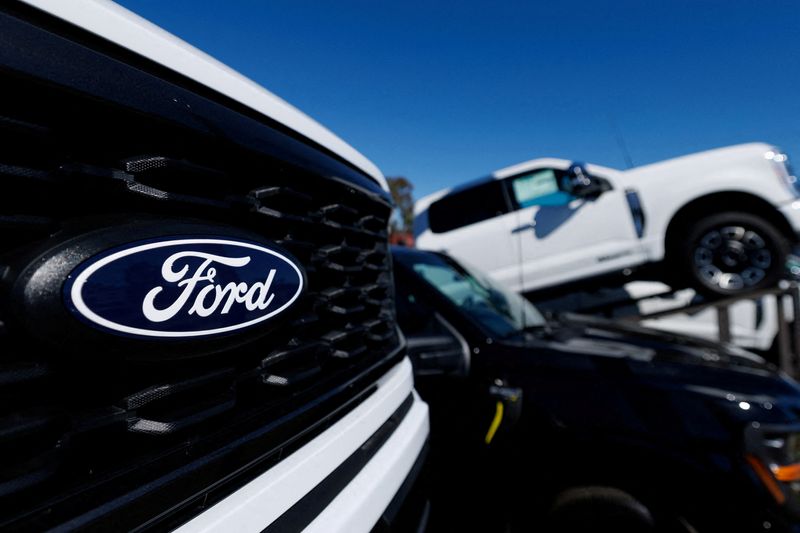
FinancialMediaGuide reports that American automakers are once again facing significant barriers in the European market, where their largest pickup trucks, such as the Ford F-150, Chevy Silverado, and Ram 1500, are facing new regulations. The European Union is implementing stricter safety standards, which experts believe could severely limit or even eliminate the possibility of selling these vehicles in Europe. American companies accuse Brussels of violating free trade principles, arguing that the new measures threaten their interests and undermine the spirit of trade agreements between the US and the EU.
The main issue for American pickups is their non-compliance with European safety and environmental requirements. Vehicles like the Ford F-150 and Chevy Silverado do not meet several European standards, including pedestrian protection and carbon dioxide emissions reduction. In order for these vehicles to be eligible for sale in the EU, manufacturers would need to significantly redesign their structure and functional characteristics. Specifically, EU pedestrian safety regulations require changes to the front-end design of the vehicles, which is difficult to achieve for large models like pickup trucks.
At FinancialMediaGuide, we believe the problem lies not only in the technical aspects but also in the economic and cultural differences between the US and Europe. The European automotive market has historically been oriented toward smaller vehicles that are ideal for urban conditions and comply with strict environmental standards. In contrast, American pickups are larger and more powerful vehicles that better suit the needs of the American market but are less efficient in European conditions, where high environmental standards and compactness dominate.
For American automakers, this is not only a production issue but also a political challenge. The US and the EU are actively working to strengthen trade relations, but such restrictions in the automotive industry could lead to increased protectionism and barriers for foreign companies. Analysts at FinancialMediaGuide believe these measures could result in significant losses for American manufacturers, as they create an uneven playing field in the competitive market. The EU, on the other hand, argues that the new standards are necessary for environmental protection and improving road safety, which are also important priorities for the bloc.
It is worth noting, however, that there is a niche in the EU market for larger vehicles, but it is limited. Countries such as Germany and the UK, where infrastructure for larger vehicles and commercial transport is developed, are showing growing interest in pickup trucks. Nevertheless, most models, such as the Ram 1500 or Chevy Silverado, will still require significant adaptation to meet EU requirements. This will pose additional challenges for American manufacturers seeking to expand their presence in this market.
At FinancialMediaGuide, we predict that without changes to the current EU requirements, American pickups will face serious difficulties in the European market in the coming years. This will force companies like Ford and General Motors to either withdraw from sales in Europe or invest heavily in developing vehicles that meet the EU’s strict safety and environmental standards.
In the long term, we at FinancialMediaGuide believe that addressing this issue will require a serious reconsideration of safety and environmental standards to allow foreign manufacturers to adapt their models to EU requirements. This will also open the way for creating a more flexible system of standards that will preserve competition and balance the interests of all parties.
In conclusion, despite the current disagreements, it is important to understand that normalizing trade relations between the US and the EU will require constructive dialogue. Financial Media Guide predicts that in the future, both sides will find a compromise that will maintain a balance between environmental requirements and the need to support market competition. This solution will be a crucial step not only for the automotive industry but also for improving trade relations between the world’s largest economies.