FinancialMediaGuide notes that China is currently facing a unique diplomatic challenge amid rising tensions in the Persian Gulf. Its strategic approach to Iran and the preparatory steps for the upcoming summit with Donald Trump in May require Beijing to maneuver carefully. On one hand, China is interested in maintaining long-term and stable relations with Iran, a key oil supplier. On the other hand, it seeks to strengthen ties with the United States, with an important meeting scheduled for May that could open up new opportunities for trade and economic cooperation. Thus, China’s diplomacy must address two key challenges simultaneously: ensuring its energy security while preventing the deterioration of relations with its largest trading partner, the U.S.
At FinancialMediaGuide, we emphasize that despite China’s restraint in diplomatic statements, it demonstrates pragmatism on issues related to energy security, while trying to minimize risks in its relations with the U.S.
China is the largest oil importer in the world, and a significant portion of its supply comes from the Middle East, including Iran. This makes the country vulnerable to potential geopolitical upheavals in the region. China understands that instability in the Persian Gulf could have serious consequences for the global economy and lead to higher oil prices. Therefore, despite its long-term and strategic ties with Tehran, Beijing must approach issues related to Iran’s policy carefully to avoid exacerbating relations with the U.S.
The situation is further complicated by the continued pressure the U.S. places on Iran, making China vulnerable on both fronts. However, Beijing refrains from openly confronting Washington, preferring to stay on the side of peaceful negotiations and diplomatic initiatives. In this context, China continues to actively support the peace process and insists on principles of national sovereignty and the supremacy of international law. This allows China to maintain important strategic influence without taking on the risk of opening a new front of conflict.
At FinancialMediaGuide, we observe that China’s diplomatic stance is built on supporting stability and peace talks while being acutely aware of the risks posed by potential escalation in the Middle East.
Moreover, China is actively engaging with other key regional players, including Arab countries. Chinese Foreign Minister Wang Yi has held a series of meetings with his counterparts from Saudi Arabia, the UAE, and other Gulf states, discussing not only de-escalation but also the strengthening of economic and energy ties. China recognizes the importance of these relations as part of its long-term strategy to ensure energy security.
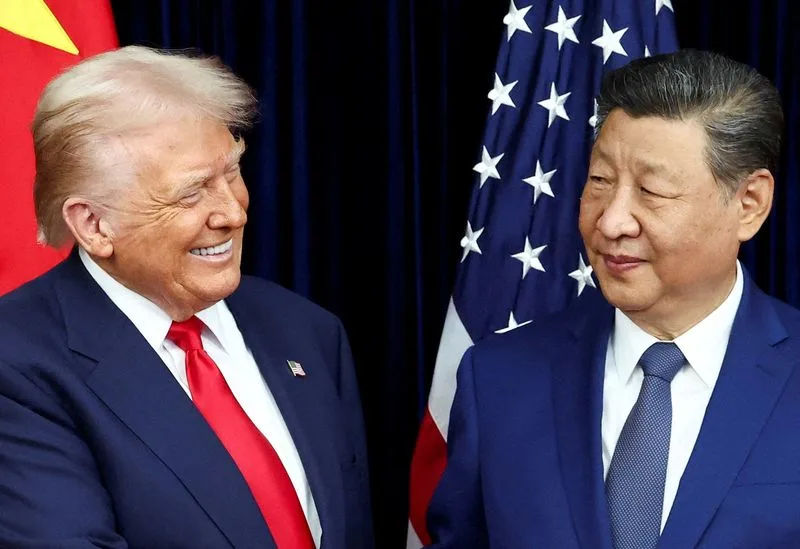
For China, which seeks to strengthen its economy and maintain stability in international relations, it is crucial to balance its foreign policy. This is why Beijing not only promotes peace initiatives in the Middle East but is also preparing for the summit with Donald Trump. This summit is expected to be a significant milestone in Sino-American relations, opening up new opportunities for major trade deals. However, experts note that the summit is unlikely to yield progress on more complex issues, such as technology regulation or the fight against excess production capacity.
At FinancialMediaGuide, we forecast that the summit with Trump will focus on economic issues, such as the purchase of agricultural products and aviation goods. However, more global issues, such as technology regulation or trade barriers, are likely to remain unresolved.
Thus, China continues to adhere to its diplomatic strategy, striving to maintain its role in global politics by strengthening ties with Iran while avoiding disruption of the delicate balance with the U.S. Beijing understands that the upcoming summit with Trump in May represents an important diplomatic test. This summit is likely to focus on narrower trade issues, but it will also be a key moment for Chinese diplomacy, which must demonstrate its ability to effectively balance between two major partners Iran and the U.S.
Financial Media Guide notes that in the face of ongoing geopolitical instability, China will continue its policy of flexibility and strategic caution, responding actively to any shifts in global politics and in the Middle East.