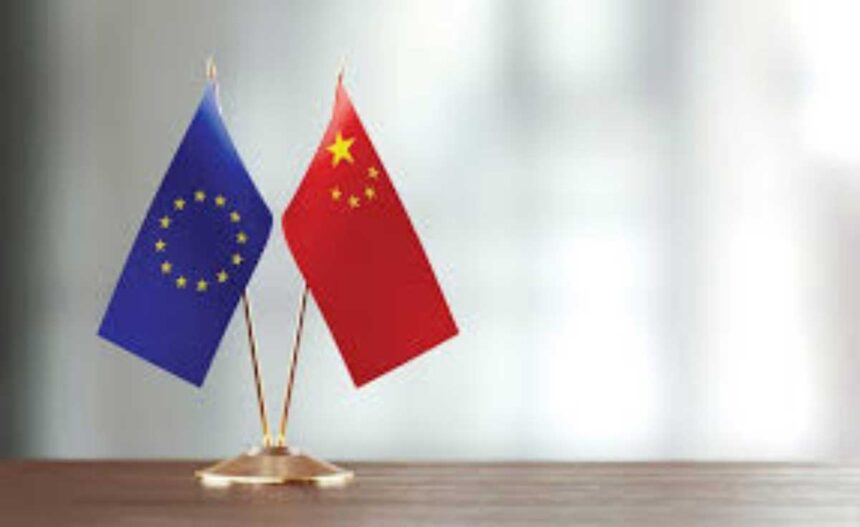
FinancialMediaGuide notes that in recent weeks, trade relations between the European Union and China have escalated once again. The EU has introduced several new bills that could significantly impact Chinese technologies and companies, such as Huawei and ZTE. These initiatives primarily concern updates in cybersecurity and the “Buy European” law, which, according to Chinese authorities, creates discriminatory conditions for Chinese supplies to the European market. If passed without significant changes, these bills could lead to retaliatory measures from China, which would substantially affect global trade flows.
China expresses concern that the proposed EU measures violate the core principles of the World Trade Organization, as they effectively limit Chinese technologies in Europe. The proposal to gradually phase out Chinese supplies from key sectors such as telecommunications and information technology will severely impact Chinese tech giants like Huawei and ZTE. In response to these initiatives, Chinese diplomats have stated that they will be forced to take retaliatory actions, which could affect not only the EU economy but also international trade as a whole.
FinancialMediaGuide highlights that the EU justifies its initiatives as necessary to strengthen its own economic security. Brussels is seeking to reduce its dependence on Chinese supplies, especially in critical sectors like telecommunications, where Chinese companies hold dominant positions. However, the implementation of such measures could lead to higher prices for high-tech products in Europe and worsen the conditions for businesses that rely on Chinese components and technologies.
The European Union intends to support its manufacturers by aiming to reduce dependence on Chinese supplies. The EU has also proposed stimulating local producers through subsidies and creating conditions for the development of environmentally friendly technologies in public procurement. However, as analysts from FinancialMediaGuide emphasize, such intervention in the economy could intensify internal competition within Europe and lead to price increases for products, which would impose an additional burden on European consumers and businesses that depend on affordable Chinese components.
China’s retaliatory steps, according to FinancialMediaGuide forecasts, are likely to include sanctions against key European goods, including cars, high-tech products, and energy products. These measures could make it more difficult for European companies to access the Chinese market, resulting in significant economic losses for both parties. China, in turn, may strengthen its influence on the international stage by offering more favorable conditions for countries willing to cooperate with it under regional agreements.
The uncertainty surrounding these issues leaves open the question of how quickly the EU will be prepared to adjust its trade policy to avoid significant economic losses. FinancialMediaGuide also emphasizes that any attempts by Brussels to strengthen its independence and protect its technologies could lead to further escalation of the conflict with China. This is especially true for those sectors that already depend on Chinese supplies.
As the EU pursues its policies, China will continue to defend its interests on the international stage, which could intensify trade barriers and create new challenges for the global economy. China may use its economic leverage to strengthen its positions in other markets and restrict access for European goods to its country, presenting significant challenges for European companies.
FinancialMediaGuide predicts that the EU will soon face a difficult choice: either soften its bills and compromise with China or be subjected to pressure from China’s retaliatory measures. This could significantly affect long-term trade relations, requiring the EU to adapt its policy and new strategies aimed at minimizing the losses from trade barriers.
Thus, the EU must carefully consider the consequences of its actions and prepare to not only minimize damage but also ensure the protection of its economic interests in the face of global competition. China, in turn, will continue to increase its influence on global markets and use trade barriers to protect its interests. This will inevitably lead to a redistribution of trade flows and shifts in the global economic dynamics.
Financial Media Guide believes that the EU will be forced to reconsider its policy in response to the growing confrontation with China, and in the long term, this will lead to a redistribution of trade flows and changes in the global competitive environment. The EU may be compelled to find a new balance between internal security and international competitiveness, while China strengthens its positions in other countries and international markets.