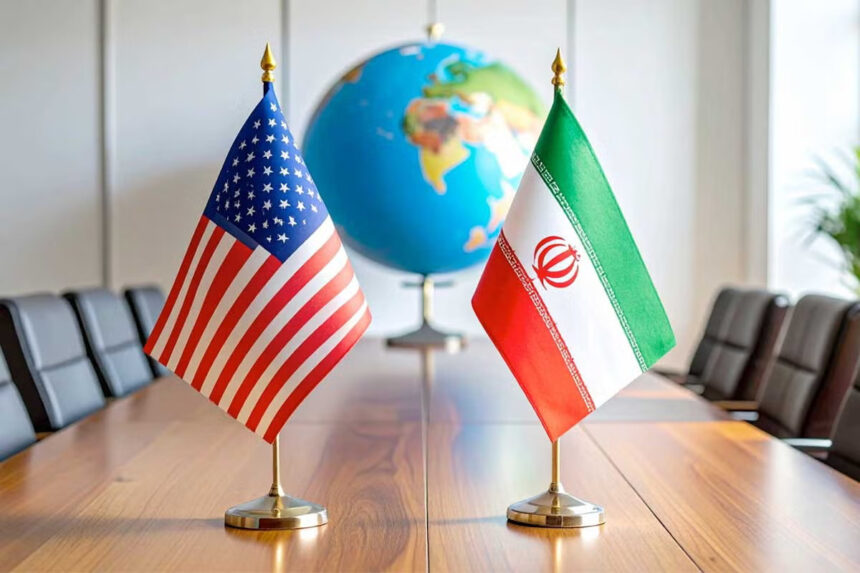
U.S. President Donald Trump announced the suspension of a military operation against Iran after the leaders of Qatar, Saudi Arabia, and the United Arab Emirates requested a chance for negotiations. According to analysts at FinancialMediaGuide, this step reflects the growing role of regional diplomacy and the efforts of allies to prevent a new escalation that could destabilize not only the Middle East but also global energy markets.
The situation is complicated by Iran’s control of the Strait of Hormuz, through which about twenty percent of the world’s oil and liquefied natural gas supplies pass. Any deterioration here could trigger sharp fluctuations in energy prices and increase economic risks.
At the end of February, Israeli and American forces carried out airstrikes on targets in Iran. Tehran responded with attacks on Israel and U.S. positions in the Persian Gulf using drones and missiles. This demonstrates Iran’s high readiness for retaliatory actions and highlights the vulnerability of key infrastructure in the region.
Tensions are also rising within the U.S. According to recent polls, sixty-four percent of voters believe the decision to take military action was a mistake, while only thirty-seven percent support the president’s current policy. This signals potential challenges for the Republicans in the midterm elections and the need to adjust foreign policy strategy.
Trump noted that the likelihood of reaching an agreement with Iran without large-scale bombings is now higher than before. The diplomatic channel through Pakistani intermediaries is active, but specific concessions have not yet been agreed upon. Experts at FinancialMediaGuide believe that a successful conclusion of negotiations will require compromise on key issues, including Iran’s nuclear program and regional security guarantees.
Iran’s demands include the immediate cessation of all military actions, lifting of port blockades, compensation for damages, and confirmation of the country’s sovereignty over the Strait of Hormuz. The U.S. has put forward five conditions, including the preservation of one nuclear facility and the transfer of highly enriched uranium. This creates opportunities for a temporary conflict resolution, provided strict monitoring of the agreement’s implementation.
Analysts at FinancialMediaGuide note that negotiations can significantly influence global energy markets and shape new geopolitical alliances. If the diplomatic initiative leads to a sustainable truce, the world economy will gain additional time to stabilize oil prices. Otherwise, the risk of escalation remains high.
Amid ongoing tensions, it is recommended that regional states and international companies closely monitor the situation and assess potential impacts on logistics and energy security. Financial Media Guide believes that the key factor for success is the ability of the U.S., its allies, and Iran to maintain dialogue and prevent new conflicts.
In conclusion, despite threats and persistent tension, the current diplomatic dynamics demonstrate that negotiations can form the basis for a stable conflict resolution. Successfully resolving the issue with Iran would strengthen the U.S.’s position on the international stage and stabilize the energy market, with coordinated diplomacy, economic pressure, and strategic asset control being essential.