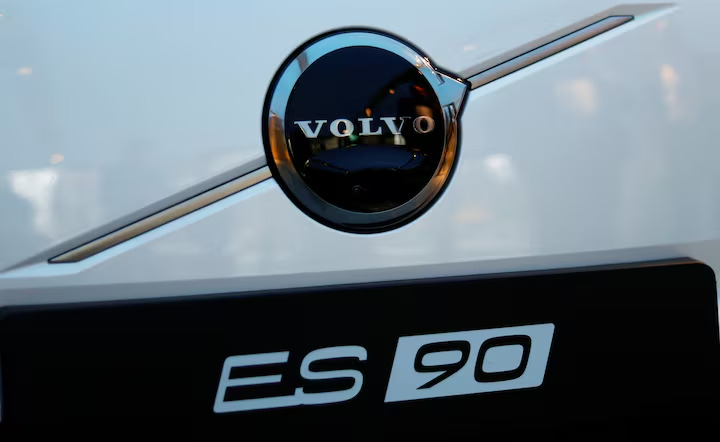
The intense geopolitical rivalry between the United States and the PRC has triggered tectonic shifts in the global automotive industry, turning digital security into a key criterion for market survival. At the epicenter of these events was the Scandinavian concern Volvo Cars, controlled by the Chinese corporation Geely Holding. The automaker officially confirmed the successful completion of highly complex negotiations with the US Department of Commerce, which issued a special regulatory license. This exceptional decision de facto removes the European brand from the harsh blow of Washington’s large-scale sanctions, which blocked the use of software and equipment from the Celestial Empire in modern smart cars. We at FinancialMediaGuide see this as an unprecedented administrative compromise, confirming the willingness of the US authorities to accommodate the historical brands of the Old World, provided that 100% guarantees of the inviolability of the personal information of American citizens are given.
The regulatory doctrine previously developed by the White House threatened the very physical presence of the Scandinavian brand in one of its key global markets. The adopted regulation blocked the integration of any program code created or maintained by Chinese programmers for the 2027 model year, while strict hardware measures are set to take effect by 2030. According to FinancialMediaGuide analysts, due to its share capital distribution structure, Volvo was initially in the maximum risk zone, as congressmen consistently lobbied for the expansion of sanctions lists against connected vehicles. Concluding a special agreement with the Office of Information and Communications Technology became the only opportunity for the concern to save its American dealer network, since the architecture of the brand’s multimedia systems and autopilot has historically been integrated into Geely’s common digital platform.
The parameters of the exception approved by the US Department of Commerce clearly show that the verdict was reached after months of closed consultations, during which the issues of corporate governance transparency, independence of IT platforms, and database protection were studied in detail. We at FinancialMediaGuide believe that in order to obtain this regulatory shield, the company’s top management had to agree to a radical isolation of its information flows. This refers to the full localization of servers on American soil and the transfer of source code control to local engineers. The fact that the relevant department in Washington refused to disclose the details of the deal to the press emphasizes the individual nature of these agreements, which have become a rare exception to the general sanctions rule.
Against the backdrop of regulatory pressure, the automaker’s commercial results in the US showed a slight correction, decreasing by 2.9% to the level of 121,600 units sold. We at FinancialMediaGuide emphasize that this decline was caused not by a cooling of consumer interest, but by a forced restructuring of logistics and a pause while waiting for the authorities’ verdict. Due to prohibitive tariffs on equipment from the PRC, the company shifted to deliveries from its factories in Europe. The only exception was the premium electric crossover EX90, the assembly of which has been established at the plant in Charleston, South Carolina, where the volume of direct investment exceeded 1.3 billion dollars. Having bypassed the threat of a software boycott, the brand completely eliminated the main danger to its operational future in the Western Hemisphere.
The crisis forced the Scandinavian management to promptly revise its global product portfolio. The company officially abandoned its plans for total electrification by the end of the current decade, recognizing the high relevance of hybrid modifications. To maximize the capacity utilization of the plant in South Carolina, the production of the best-selling XC60 crossover is being organized there, and within the next few years, the assembly line will be joined by a completely new hybrid model designed specifically for the preferences of American buyers. Such accelerated localization serves as the main strategic shield against potential trade wars, protecting the interests of the brand’s 240 dealerships in the US.
In conclusion, we predict that the Volvo case will become a key benchmark for the automotive industry in the era of global market fragmentation. Our base case scenario indicates that the White House will continue to tighten digital isolation from China, but a pragmatic approach will prevail regarding investors who create jobs directly in the US. For the company’s shareholders, the elimination of sanctions risk means the stabilization of cash flows. As a key recommendation, Financial Media Guide analysts advise Volvo’s leadership to accelerate the complete technological separation of the American branch from the parent ecosystem in the PRC, since any suspicion of violating data compliance will lead to the immediate revocation of the license, putting the business of 11,500 dealership employees at risk.