Disputes between the largest technology entrepreneurs and U.S. regulators are increasingly reshaping the established rules governing financial markets. The ongoing confrontation between the U.S. Securities and Exchange Commission (SEC) and Elon Musk is opening a new chapter in the history of oversight of insider trading and major corporate acquisitions. We at FinancialMediaGuide note that this precedent demonstrates systemic shifts in American corporate law, where regulatory pragmatism is beginning to outweigh strict adherence to the letter of the law. Such compromises inevitably create new rules of the game for institutional investors and alter the landscape of minority shareholder protection.
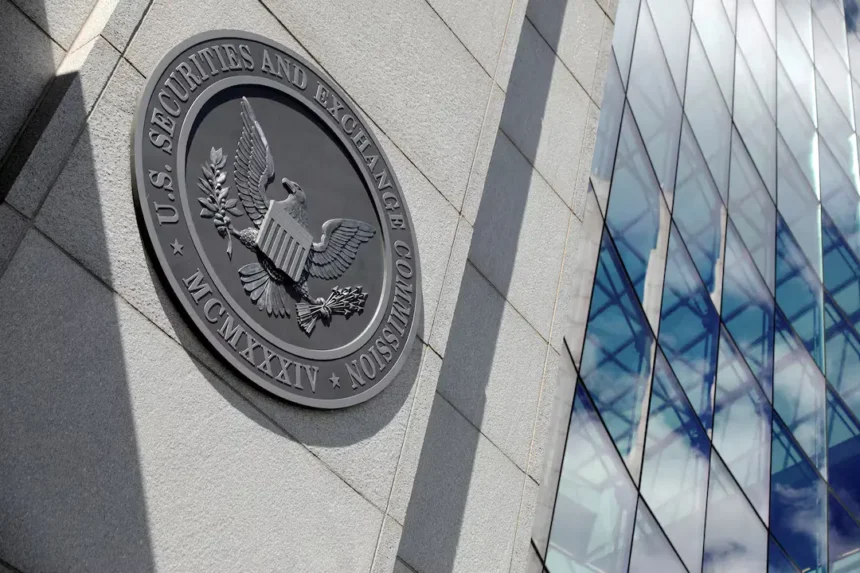
The U.S. financial regulator has officially submitted a detailed filing to a Washington court defending the terms of its settlement agreement with the billionaire. This move became necessary after U.S. District Judge Sparkle Sooknanan expressed serious concerns during proceedings regarding the transparency of the arrangement and highlighted several troubling signals. The court pointed to the disproportionate nature of the penalty, as the proposed fine represents only about 1% of the alleged $150 million in improper gains, while the financial sanctions are imposed on an investment trust rather than on Musk personally. We believe the court’s skepticism is justified, since shifting financial obligations to a legal entity allows ultimate beneficiaries to avoid direct personal accountability, creating the perception of impunity for key figures in the technology sector.
Representatives of the enforcement agency firmly reject suggestions of a backroom deal, describing the settlement as the outcome of tough and independent negotiations between legal teams. The SEC emphasizes that the $1.5 million financial penalty is the largest administrative sanction in the agency’s history for cases involving delayed disclosure of ownership stakes. At the same time, the regulator highlighted a strategically important aspect of the agreement in court filings: approval of the settlement preserves Musk’s right to publicly deny the allegations. According to analysts at FinancialMediaGuide, this provision reflects a fundamental shift in the regulator’s enforcement philosophy, which historically prevented defendants from publicly contesting allegations after settling cases.
The origins of the dispute date back to the spring of 2022, when Musk purchased Twitter shares without providing timely disclosure to the market. The billionaire delayed filing the required ownership disclosure form by 11 days, allowing him to systematically accumulate shares at lower prices before the market reacted to the arrival of a major investor. Musk has described the delay as a technical and unintentional error. The acquisition ultimately culminated in his full takeover of the platform for $44 billion, followed by its rebranding into the social network X. We at FinancialMediaGuide view this as a classic example of information asymmetry, where delayed disclosure by major market participants directly deprives ordinary investors of the premium they would otherwise receive from rising share prices.
Arguing that the settlement serves the public interest, regulators state that the court order requires Musk to conduct future investment activities exclusively through a revocable trust. This measure is intended to place a significant portion of his wealth under stricter oversight. However, internal divisions within the SEC point to a deeper crisis in regulatory philosophy. The sudden departure of enforcement chief Margaret Ryan after only six months coincided with pressure from the new Republican administration. Newly appointed SEC Chairman Paul Atkins has already begun restructuring enforcement programs to reduce regulatory pressure on corporations. Musk has skillfully leveraged this political backdrop, arguing that the allegations were politically motivated, particularly since the original lawsuit was filed just one week before the presidential transition in the White House.
At Financial Media Guide, we forecast that legitimizing settlement terms of this nature will create a lasting trend toward lower regulatory costs for top-tier investors. A system in which penalties amount to only 1% of potential gains effectively turns regulatory risk into a predictable operating expense when pursuing corporate acquisitions. We recommend that market participants reassess their risk models when investing in assets that attract the interest of major technology conglomerates, as U.S. regulators are likely to favor negotiated compromises over lengthy litigation in the medium term. This trend could ultimately reduce the level of protection available to minority shareholders’ capital.