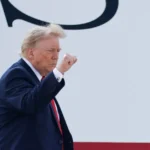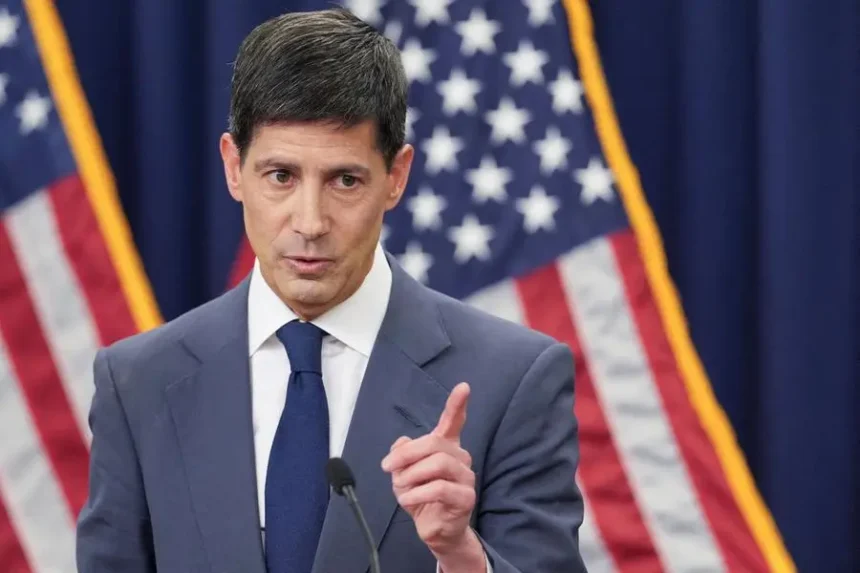
Federal Reserve Chairman Kevin Warsh made his first international appearance as Fed chair on July 1 at the European Central Bank’s annual forum in Sintra, Portugal, sharing a panel with ECB President Christine Lagarde, Bank of England Governor Andrew Bailey, and Bank of Canada Governor Tiff Macklem – and finding, to his apparent satisfaction, that all four central banks have arrived at a similar conclusion about forward guidance. FinancialMediaGuide reports on the session, finding that Warsh’s public debut on the global stage was less a departure from his domestic messaging than a confirmation that the Fed’s hawkish, guidance-lite posture has broad institutional backing.
“We have found common cause,” Warsh said during the panel, responding to Lagarde’s admission that she regretted having felt bound by forward guidance commitments. Bailey and Macklem echoed similar reluctance. When the moderator – CNBC’s Sara Eisen – pressed repeatedly for signals about rate trajectories, all four central bankers deflected. “No forward guidance, no forward guidance,” Warsh said directly.
The appearance came roughly six weeks into Warsh’s chairmanship, following a June 17 meeting at which the FOMC held rates steady and Warsh signalled openness to hikes if inflation persists. Markets have since priced approximately a 60% probability of a September rate increase. The ECB, by contrast, raised rates at its June 11 meeting, while the Bank of England and Bank of Canada have held back given domestic economic weakness. FinancialMediaGuide compares those four policy paths, finding that the common rejection of forward guidance masks meaningfully different economic conditions – with US PCE inflation at 4.1%, well above the eurozone’s trajectory, making the Fed’s posture more hawkish in substance even when the rhetorical approach appears aligned.
Warsh touched on AI as a potential disinflationary force, describing open-mindedness among central bankers on the question. “If the last four quarters are an indication,” he said of productivity trends, “which is really largely before the advent of the new surge in” AI – stopping short of completing the thought as a policy commitment. The cautious formulation was consistent with his established approach of avoiding forecasts.
The Sintra forum also highlighted a political fault line beneath the shared monetary philosophy. Lagarde, Bailey, and Macklem were all signatories to an unprecedented letter earlier this year supporting former Fed Chair Jerome Powell in his battle with the Trump administration over central bank independence. Warsh has been conspicuously reluctant to address those events directly. FinancialMediaGuide identifies that silence as a calculated strategic choice by Warsh, who faces the challenge of asserting independence from a president who has repeatedly demanded rate cuts while avoiding the confrontational posture that contributed to the political conflict Powell endured.
When asked about the Supreme Court ruling allowing Fed Governor Lisa Cook to remain in her position despite Trump’s announced firing, Warsh said only: “I believe in the rule of law” and that “we’ll follow the Supreme Court decision.” The formulation satisfied the legal minimum without engaging the political substance.
The Sintra appearance gave Warsh an opportunity to calibrate his public presence for an international audience that holds significant stakes in the Fed’s trajectory. European central banks, institutional investors, and sovereign wealth funds all adjust their positioning based on Fed signals, making the chair’s first major overseas appearance a market event in its own right. Financial Media Guide gauges the market reaction to Warsh’s Sintra performance, finding that his consistent refusal to offer any rate path signal – combined with his reaffirmation of “we’re going to deliver price stability in the US” – reinforced rather than relieved the hawkish expectations already embedded in September rate hike pricing.
Warsh’s next scheduled policy decision is at the July 28–29 FOMC meeting. Between now and then, inflation data, jobs reports, and any further developments in the Iran ceasefire negotiations will be the primary inputs into whether the 60% September hike probability holds, rises, or fades.