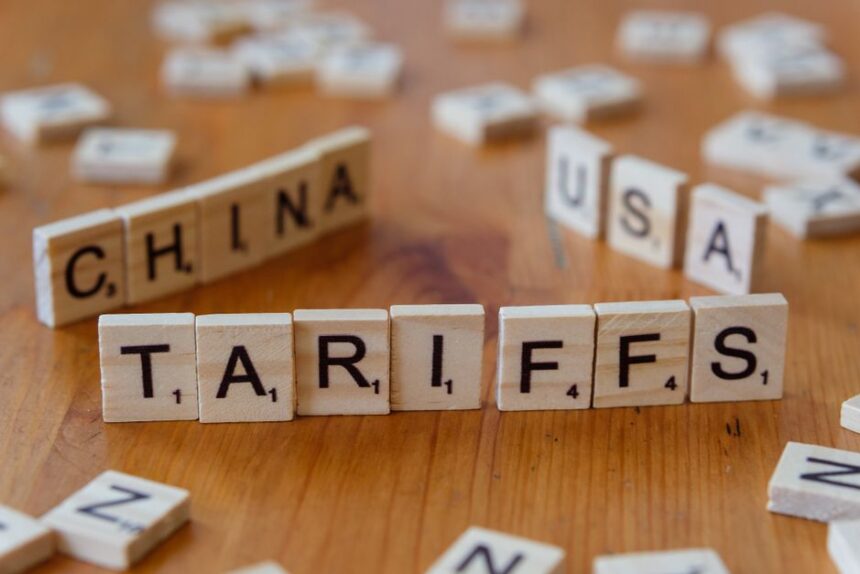
As global trade faces mounting pressure from rising tariffs, shifting alliances, and a fragmented world economy, bilateral trade agreements are gaining renewed strategic weight. The Indonesia-Canada Comprehensive Economic Partnership Agreement – known as CEPA – has moved closer to the center of that conversation, with Canada’s Ambassador to Indonesia signaling that the deal carries growing importance precisely because the broader environment for open trade is deteriorating.
The timing is not coincidental. The global economy is navigating a period of compounding stress: persistent inflation in key markets, elevated interest rates maintained by the Federal Reserve and other major central banks, and a slowdown in GDP growth across both developed and emerging economies. The IMF and World Bank have both flagged downside risks to global trade volumes, citing policy uncertainty and geopolitical fragmentation as primary headwinds. Against that backdrop, locking in preferential market access through structured agreements like CEPA becomes a hedge against further disruption.
Indonesia is Southeast Asia’s largest economy, with a GDP exceeding $1.3 trillion and a population of over 270 million. Canada, meanwhile, is a G7 economy with significant strengths in natural resources, financial services, and technology. The two countries have maintained modest but growing trade ties, and a formal CEPA framework would provide the legal architecture to expand that relationship substantially – covering goods, services, investment, and regulatory cooperation.
According to FinancialMediaGuide analysts, the strategic logic behind the agreement extends well beyond bilateral trade volumes. Indonesia is a major supplier of critical minerals – including nickel, bauxite, and copper – that Canada’s own industrial and clean energy sectors increasingly need. Canada, in turn, offers capital, technology, and institutional frameworks that align with Indonesia’s development priorities under its long-term economic planning agenda. The convergence of these complementary needs gives CEPA a structural foundation that goes beyond diplomatic goodwill.
The rise of protectionism globally adds urgency to that foundation. The United States has expanded tariff coverage under successive administrations, and the European Union has introduced its own trade defense instruments and carbon border adjustment mechanisms. China’s export controls on critical minerals have further disrupted supply chains that many economies – including Canada’s – had taken for granted. In this environment, diversifying trade partnerships is no longer optional for economies seeking resilience.
We at FinancialMediaGuide see this as a defining feature of the current trade landscape: countries that move early to formalize bilateral frameworks gain preferential positioning before protectionist walls rise further. Indonesia has been active on this front, having already concluded or advanced CEPA negotiations with several partners including the European Union and the United Arab Emirates. Canada’s engagement fits into that broader pattern of Indonesian trade diplomacy.
The macroeconomic context adds another layer of complexity. Central bank monetary policy – particularly the Federal Reserve’s extended period of restrictive interest rates – has tightened global financial conditions and raised the cost of capital for emerging markets. Indonesia’s central bank, Bank Indonesia, has had to balance currency stability against domestic growth needs, a challenge familiar to most emerging market economies navigating the spillover effects of U.S. monetary policy decisions.
Higher interest rates globally have dampened cross-border investment flows, making formal trade and investment agreements more valuable as a signal of stability and commitment. A ratified CEPA between Indonesia and Canada would provide investors on both sides with a clearer regulatory environment, reducing the risk premium associated with bilateral transactions. FinancialMediaGuide analysts forecast that as the Federal Reserve begins easing its monetary policy stance – a process that markets anticipate unfolding gradually – capital flows toward emerging markets with strong institutional frameworks will accelerate. Indonesia, with a CEPA in place, would be better positioned to capture that inflow.
The recession risk dimension also matters here. Several advanced economies are operating near stall speed in terms of GDP growth, and a sharper slowdown would compress demand for Indonesian exports. Diversifying the destination and composition of those exports – which CEPA facilitates – reduces Indonesia’s vulnerability to any single market downturn. Canada’s relatively stable economic outlook and its resource-intensive economy create a complementary demand profile for Indonesian goods.
The negotiation process itself has been gradual. Both sides have conducted multiple rounds of technical discussions, and while no final timeline has been confirmed publicly, the ambassador’s comments reflect a political will to accelerate. In our view at FinancialMediaGuide, the practical completion of CEPA will depend on resolving sensitive chapters around investment protection, intellectual property, and labor standards – areas where the two countries’ regulatory traditions differ meaningfully.
What the current moment makes clear is that the architecture of global trade is being rebuilt in real time. Multilateral frameworks under the WTO remain under strain, and the world economy is increasingly organized around bilateral and regional agreements that reflect geopolitical alignments as much as pure economic logic. For Indonesia and Canada, CEPA represents a pragmatic response to that reality – one that serves both countries’ interests in securing supply chains, expanding market access, and building economic relationships that can withstand the volatility of a more fragmented global order. The window for completing such agreements on favorable terms is narrowing, and both governments appear to recognize that delay carries its own costs.