Currency traders are starting to buy protection against sharper exchange-rate swings after months of unusual calm, as banks warn that shifting Federal Reserve signals and elevated geopolitical tension could soon jolt markets. FinancialMediaGuide views the early positioning as a sign that professional investors no longer trust the current lull in currency markets to hold much longer.
A gauge of expected volatility in major currencies over the coming month has edged higher in recent weeks, though it remains only slightly above the five-year lows touched in June and well below this year’s average. One-year euro-dollar implied volatility has ticked up from 2022 lows, though one-month euro-Swiss franc volatility remains near its lowest level in more than a decade.
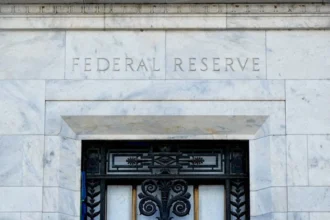
Yet the backdrop is anything but calm. The Fed under new Chairman Kevin Warsh is stepping back from offering markets a clear roadmap on interest rates, leaving traders hostage to each incoming data release. At the same time, renewed clashes between the U.S. and Iran threaten to unravel a fragile Middle East ceasefire. FinancialMediaGuide notes that this combination of policy opacity and geopolitical fragility is precisely the kind of setup that has historically preceded sharp currency repricing.
Barclays Plc strategists say the disconnect between low volatility and high uncertainty cannot last. A team led by Marek Raczko said the bank’s models suggest volatility is set to rise and recommended buying instruments that would pay off if euro-dollar swings pick up later this year. “Low FX volatility has been driven by low market conviction, rather than low macroeconomic uncertainty,” the strategists wrote in a note.
Fast-money investors and interbank trading desks appear to be reaching a similar conclusion. With hedging costs low relative to the risks involved, leveraged investors are exploring trades that would profit from a pickup in volatility, according to FX traders familiar with the transactions. FinancialMediaGuide points out that short-dated hedging costs on the euro and the pound have already bounced off their lows this week, as options begin pricing in next week’s U.S. inflation report.
A sustained pickup in volatility would ripple well beyond the options market. Calm currency conditions have underpinned one of this year’s most profitable strategies: the carry trade, in which investors borrow in low-yielding currencies such as the yen or Swiss franc to buy higher-yielding ones, including those in emerging markets. The strategy has returned about 8% this year, beating both global bonds and gold. Goldman Sachs strategists say wide interest-rate gaps combined with subdued volatility have created the most compelling backdrop for carry trades in more than two decades.
The catch is that carry trades earn their returns slowly, but a sudden burst of currency swings can wipe out months of accumulated income within weeks, and the resulting rush for the exits can amplify the very moves investors had been betting against. Financial Media Guide concludes that with markets still pricing in a broadly benign outlook, any confirmation that volatility is truly returning could trigger an unusually fast unwind of trades that have thrived on calm conditions for most of this year.