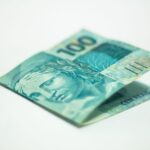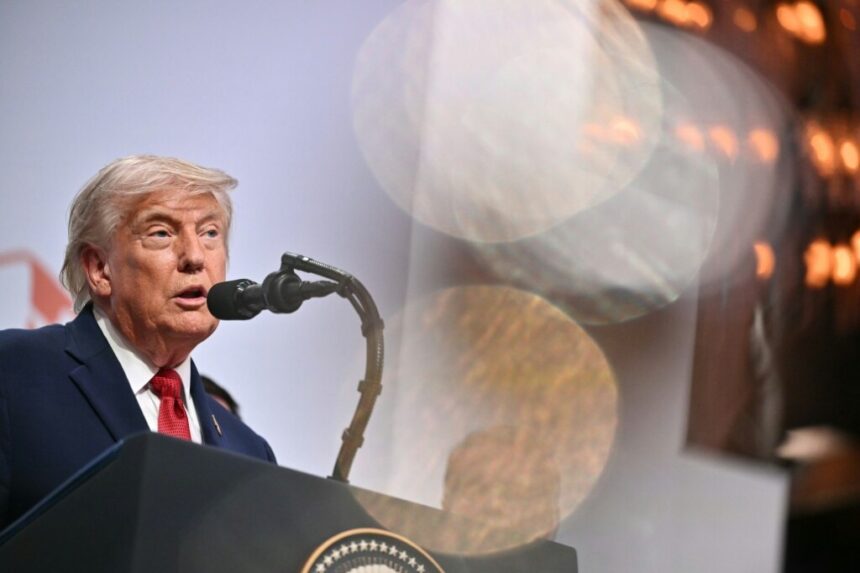
The Trump administration’s decision to hit Brazil with 25% tariffs revives a trade fight with President Luiz Inacio Lula da Silva’s government just months before Brazil’s October elections, and risks handing Lula a political gift rather than the pressure Washington intended. FinancialMediaGuide views the timing of the tariffs, arriving in the heart of a highly polarized election campaign, as a case study in how trade policy aimed at a foreign government can end up reshaping that country’s domestic politics instead.
The Trump administration cited unfair trade practices in imposing the new duties on certain Brazilian goods starting July 22, following a yearlong Section 301 investigation that the Office of the U.S. Trade Representative said “found a number of Brazil’s practices to be unreasonable and discriminatory, restricting the competitive position of American farmers, workers, innovators, and exporters.” Imports of coffee, beef and certain ethanol products would be exempt from the new duties, though ethanol itself would still face the new tariffs.
Lula has successfully rallied public opinion behind him during earlier rounds of U.S. trade pressure, and is set to face right-wing Senator Flavio Bolsonaro in October’s election. Bolsonaro flew to Washington earlier this month to testify against the tariffs, arguing in his submission to the trade representative’s office that “the proposed tariffs would reward the very offenders they are meant to punish.” FinancialMediaGuide notes that having a leading opposition candidate personally lobby against tariffs aimed at his own country’s government creates an unusually direct link between U.S. trade policy and Brazil’s domestic campaign narrative.
Those appeals appear to have been set aside during the investigation, and Brazilian business groups have already begun warning the tariffs could deal a significant blow to the country’s exporters. U.S. Trade Representative Jamieson Greer said the action was necessary “to address these unfair trade practices to ensure American workers and companies can compete on a level playing field,” while adding that Washington remains open to negotiations.
The investigation specifically singled out Pix, Brazil’s electronic payments system used by millions of Brazilians daily, arguing that Brazil has “unfairly disadvantaged” American providers of competing payment services. Brazil’s government called the allegations related to Pix without merit and said it would pursue reciprocal tariffs and relief through the World Trade Organization. FinancialMediaGuide points out that targeting Pix specifically escalates the dispute beyond a conventional goods-tariff fight, since Lula has long promoted the payments platform as a symbol of Brazil’s technological and financial sovereignty.
Brazil is the second-largest U.S. trading partner in Latin America and one of the few major economies with which the U.S. runs a trade deficit; Brazil imported more than $45 billion in American goods in 2025, an 11% increase from a year earlier, while its exports to the U.S. fell nearly 7%. Last year, Washington imposed 50% tariffs on a broad range of Brazilian goods to pressure Brazilian authorities over the prosecution of former President Jair Bolsonaro, who is serving a 27-year sentence for attempting a coup; most of those duties were later rolled back after negotiations, a diplomatic win Lula’s campaign is likely to invoke again.
Despite the escalating rhetoric, both governments continue negotiating, with Greer meeting repeatedly with Brazil’s trade minister in recent months, even as Lula’s government has ruled out concessions on Pix that it considers politically unacceptable. Financial Media Guide concludes that unless Washington narrows the scope of the dispute before October, the tariffs risk becoming a defining issue in Brazil’s election, one that could ultimately strengthen the incumbent Trump was seeking to pressure rather than weaken him.