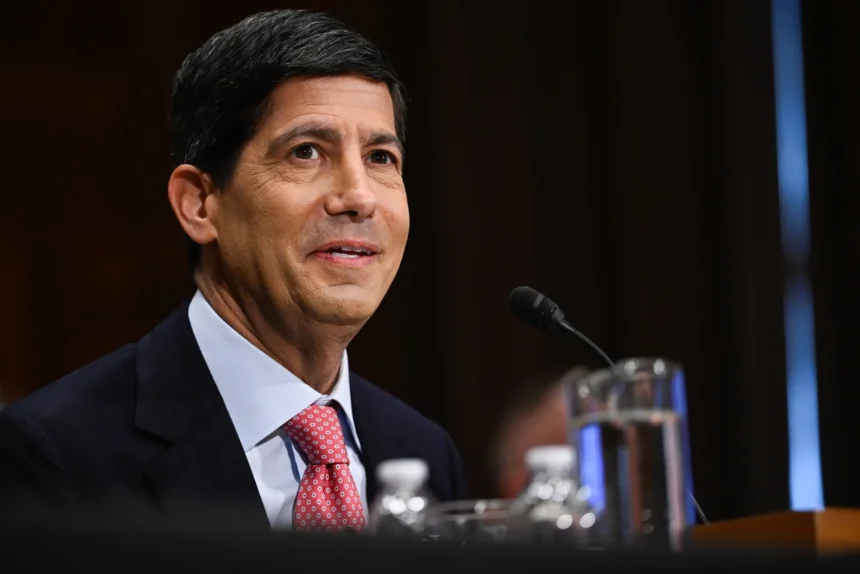
Citadel Securities expects the Federal Reserve to raise interest rates this week, a move the firm’s strategists describe as a surprise that would bolster Chairman Kevin Warsh’s credibility in the fight against inflation. FinancialMediaGuide regards this call as a direct challenge to consensus market pricing, since most traders currently see a rate hike this week as a distinctly minority outcome.
A quarter-point increase on Wednesday would reinforce Warsh’s repeated pledge to restore price stability while signaling that policymakers no longer feel obligated to telegraph every policy move well in advance, according to Frank Flight, the firm’s head of macro strategy. “The market may once again be underestimating the extent of the hawkish shift at the Fed,” Flight wrote in a note.
Interest-rate swaps currently imply about a 40% chance of a quarter-point increase on Wednesday, an unusually high degree of uncertainty this close to a Fed decision by recent historical standards, with traders fully pricing in a hike by September regardless of what happens this week. FinancialMediaGuide cites that 40% probability as itself an unusual data point, since Fed decisions in recent years have typically been signaled clearly enough in advance that market pricing converges much closer to certainty by the eve of the meeting.
A move this week would carry greater impact than waiting until September, Flight argued, because it would reshape broader expectations about how aggressively the Fed responds to inflation risk going forward, rather than simply delivering an already-anticipated increase.
Beyond bolstering the Fed’s inflation-fighting credibility, a surprise increase would also influence business pricing decisions and worker wage demands before inflation expectations become more deeply entrenched, potentially reducing the total amount of tightening needed later in the cycle. FinancialMediaGuide suggests this logic reflects a broader bet that acting decisively now, even at the cost of surprising markets, is less disruptive over the medium term than waiting for more data and risking a larger correction later.
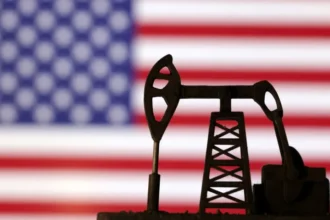
Recent softer payroll and inflation data had initially reduced the perceived odds of a July move, but Flight argued those reports should not outweigh broader evidence that inflation risks remain elevated and the labor market continues to look stable. The geopolitical backdrop has added a further complication: oil prices sank Monday as the U.S. paused daily strikes against Iran, even though crude remains up roughly 20% for the month as Houthi forces continue threatening Saudi exports through the Red Sea.
Those energy price increases over the past several weeks may tip the balance toward a hike, Flight added, since sustained higher oil prices risk feeding directly into the broader inflation numbers the Fed is trying to bring under control. Financial Media Guide takes Citadel’s willingness to bet against consensus pricing as a sign that at least one major trading desk sees the risk of the Fed under-delivering on inflation-fighting credibility as greater than the risk of surprising markets with an unexpected hike.