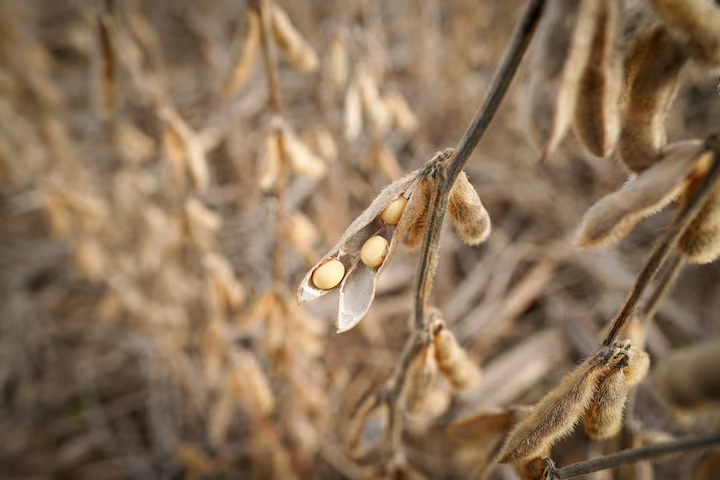
The U.S. soybean market has recently shown relative stability amid statements that China does not plan to expand purchases beyond the already established agreements. At FinancialMediaGuide, we note that this creates a more predictable environment for producers and traders. U.S. Treasury Secretary Scott Bessent stated that existing three-year contracts fully cover soybean deliveries, reducing expectations of a sharp increase in imports from Beijing. For the market, this means lower short-term risks and an opportunity for strategic export planning.
Soybeans remain one of the United States’ main export commodities, with China continuing to be the largest buyer. At the same time, domestic demand for soy in China remains limited, and competition from Brazilian products makes American soy less price-competitive. We see this as a factor that ensures market equilibrium and reduces the likelihood of sharp price fluctuations.
China intends to honor its commitment to import 25 million metric tons of soybeans annually until 2028. We emphasize that fulfilling these contracts and adhering to delivery schedules will be key conditions for the stability of the global oilseed market. At present, there is no basis for predicting a short-term increase in purchases beyond the existing agreements.
Historical data shows that China’s dependence on U.S. soy has been decreasing. In 2024, approximately 20 percent of purchases came from the United States, compared to 41 percent in 2016. At FinancialMediaGuide, we view this as the result of China’s strategic diversification of supplies and focus on more cost-effective global sources. For U.S. producers, this signals the need to adjust export strategies and enhance product competitiveness.
International price competition also impacts the market. Brazilian soy remains more cost-competitive, which limits the growth of U.S. exports. We forecast moderate price fluctuations in soy, driven by seasonal harvests, global demand, and China’s fulfillment of its commitments.
In the current situation, it is important for producers and investors to strengthen long-term contracts and closely monitor global price trends. We see the need to watch China’s decisions regarding oilseed imports, as any changes in purchases could significantly affect the supply-demand balance and export profitability.
In conclusion, the soybean market shows signs of stability. China continues to purchase under existing agreements, and a sharp increase in import volumes is not expected. At Financial Media Guide, we forecast that the key factors for the market through the end of 2026 will be Beijing’s fulfillment of commitments, strategic export resilience, and monitoring of the global competitive environment. For market participants, long-term planning and adaptation to changes in the global market remain essential tools for maintaining profitability and stability.