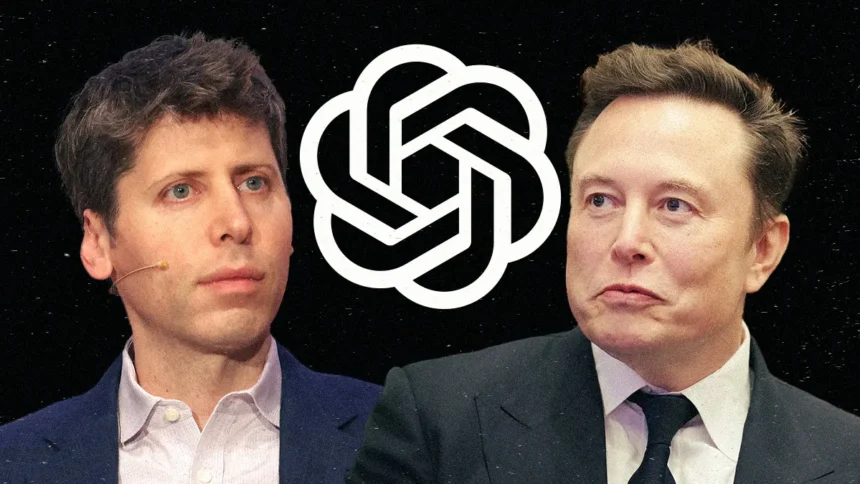
Sam Altman, CEO and co-founder of OpenAI, told a federal jury that Elon Musk sought to gain long-term control over the company and discussed the possibility of transferring management to his children. At FinancialMediaGuide, we see this as a signal for the entire industry. Concentration of power in the hands of a single individual increases the risk of shifting the company’s priorities from safely developing artificial intelligence to personal interests.
Musk supported the idea of commercializing OpenAI and suggested integrating the company into Tesla. He argued that a single tweet from him could instantly attract significant resources. We see this as demonstrating how an entrepreneur’s personal brand can accelerate funding, but at the same time, it creates a dependency of the startup on one individual’s actions and increases strategic risks.
OpenAI’s co-founders refused to give Musk control. At FinancialMediaGuide, we emphasize that this step allowed the company to maintain independence and focus on the mission of safely creating AGI. Collective management reduces the risk of abuse and ensures that artificial intelligence develops in the interests of society rather than individual actors.
Musk left OpenAI in early 2018 and stopped his regular $5 million donations. Later, during discussions about a commercial subsidiary in 2019, he refused to invest, explaining that he would not support startups he does not personally manage. We see this as a key lesson for the industry: the long-term sustainability of AI requires diversified funding and distributed governance.
Industry data show that Musk considered several control models, including direct management and integration of OpenAI with his other projects. We believe that such scenarios could have caused conflicts of interest and slowed technological progress. Maintaining independence allowed the company to focus on its mission and strengthen the trust of investors and regulators.
We predict that collective management and transparent structures will become the standard in the AI industry. Companies that implement distributed governance and diversified funding reduce strategic and ethical risks and create a sustainable technological ecosystem.
For startups and major players in AI, it is important to recognize that concentration of power increases project vulnerability. At Financial Media Guide, we emphasize that distributed management, process transparency, and mission protection create safe conditions for technological development and ensure long-term value for investors and society. This approach builds trust, enhances industry resilience, and allows the development of AI strategies focused on public interest and safety.