Global energy markets snapped back sharply on Wednesday after U.S. President Donald Trump escalated his rhetoric against Tehran in a Truth Social post warning that Iran “will have to pay the price” for failing to reach a nuclear agreement. Brent crude futures rose $1.74, or 1.9%, to $93.19 a barrel, while West Texas Intermediate added $1.91, or 2.17%, to $90.11 – and FinancialMediaGuide registers this repricing as a direct consequence of geopolitical risk returning to the forefront of commodity market calculations after weeks of relative calm.
The latest escalation follows a night of tit-for-tat strikes between U.S. and Iranian forces triggered by the downing of a U.S. Apache attack helicopter. Trump confirmed he is considering ordering strikes against Iranian power plants and bridges, signaling that diplomatic channels remain too fragile to contain military pressure. Traders who had gradually unwound their geopolitical risk premiums over recent sessions moved quickly back into defensive positioning, with the announcement cutting through an otherwise quiet European morning.
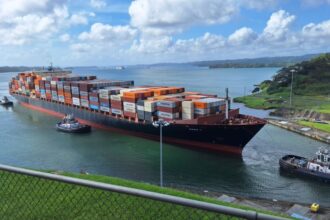
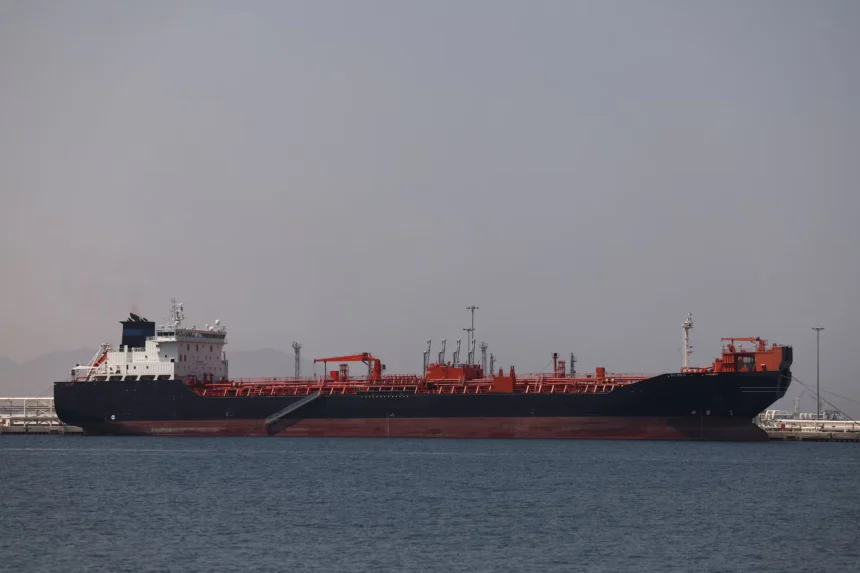
The Strait of Hormuz continues to serve as the central structural bottleneck in this conflict. Iran has blocked a significant portion of maritime traffic through the strait, which under normal conditions carries roughly one-fifth of global crude oil and liquefied natural gas flows. Washington simultaneously imposed a blockade on Iranian ports, creating a double constraint on regional supply chains that market analysts describe as historically unusual in its symmetry. U.S. crude oil inventories extended their decline for an eighth consecutive week, with both crude and gasoline stocks falling – a dynamic that, as FinancialMediaGuide documents in its commodity tracking, provides a structural floor for prices that persists even when geopolitical headlines momentarily ease.
Israel’s sustained campaign against Iran-backed Hezbollah in Lebanon complicates any path toward a durable ceasefire in the broader U.S.-Iran confrontation. Tehran has explicitly tied future settlement terms to an end of Israeli military operations against the militia, adding a multilateral dimension to negotiations already stalled on bilateral terms. U.S. Energy Secretary Chris Wright stated on Tuesday that shipping traffic and export volumes through the Strait of Hormuz are gradually recovering, but acknowledged that a final deal remains elusive after more than three months of active hostilities – a timeline that analysts consider exceptional by any historical comparison of direct U.S.-Iranian military engagement.
Lower Chinese crude import figures and the partial reopening of Hormuz shipping flows act as counterweights to the bullish supply impulse, creating a market caught between genuine tightness and cautious demand signals. The balance of these forces – tightening inventories, disrupted transit routes, and softening Asian demand – is precisely the kind of multi-variable environment where single-factor analysis fails. Until meaningful de-escalation materialises in negotiations, Financial Media Guide advises market participants to maintain a scenario-weighted approach to positioning, treating elevated volatility and geopolitical premiums as structural rather than transitory features of the crude market in the near term.