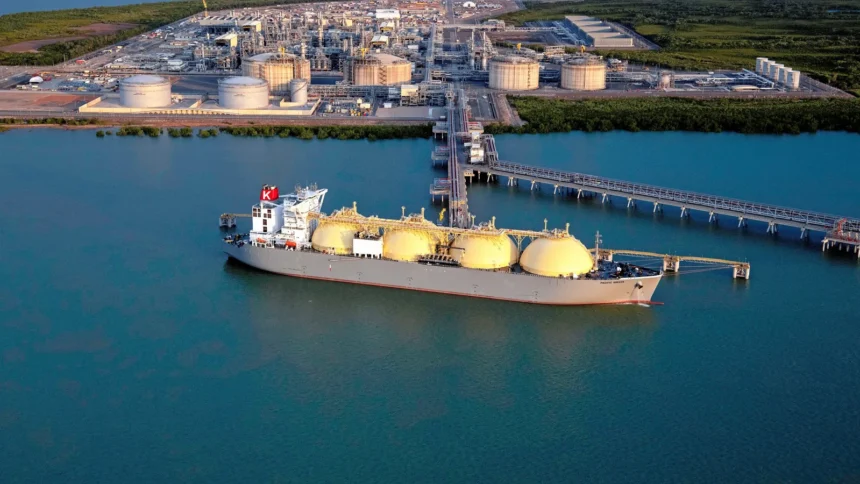
FinancialMediaGuide reports that a major labor dispute is ongoing at the Ichthys liquefied natural gas (LNG) plant in Australia, one of the largest in the country. Workers at the plant are voting on a new labor agreement, and if it is not accepted, a strike is likely. This event has the potential to create significant problems in the global energy market, which is already grappling with external economic risks and natural disasters. Ichthys is a key link in the LNG supply chain, producing 9.3 million tons of gas per year. Disruptions at the plant could cause supply bottlenecks and affect prices, which would significantly complicate the situation for consumers in Asia and other regions.
Australia is the second-largest global exporter of LNG, providing a significant share of the world market. However, given the growing gas shortage caused by political instability and the impact of natural disasters, disruptions at key plants like Ichthys could exacerbate the situation, affecting the price and availability of gas on the global market. This plant has become an essential asset for countries like Japan and South Korea, which are major consumers of Australian LNG.
The conflict between the unions and Inpex’s management has been ongoing for several months. The Offshore Alliance union, which represents 95% of the plant’s workers, is demanding wage increases and improved working conditions to align with industry standards and inflation. Inpex, in turn, states that its offer is consistent with market conditions and provides competitive benefits for employees. Despite this, the conflict remains unresolved, and a strike could significantly disrupt the plant’s operations and, consequently, gas supplies.
We at FinancialMediaGuide emphasize that this labor dispute, while local in nature, could have serious consequences for the global LNG market. Given the current instability in global gas supplies, driven by political and environmental factors, disruptions in Ichthys’s production capacity could lead to a sharp supply shortage, which would, in turn, drive up prices. Moreover, the market is already facing significant challenges due to instability in the Persian Gulf and damage to other plants, further exacerbating the current crisis.
One of the key factors aggravating the situation in the global gas market is the reliance on LNG shipments via the Strait of Hormuz, which is a strategically important route for transporting energy supplies. Since the onset of military conflict in Iran, LNG shipments through the strait have been severely limited, resulting in rising prices. A strike at such a critical facility as Ichthys would only increase this risk, putting additional pressure on the global market. This, in turn, could make it more difficult for consuming countries like Japan and South Korea to find alternative supplies.
Inpex claims that its offer is in line with market conditions and is fair, but the union believes that the company is not adequately considering current industry realities. The gap between the positions of the workers and management may lead to a strike, with consequences both for the Australian economy and the international LNG market.
In the coming weeks, the labor dispute at the Ichthys plant will continue to attract attention from the global market. We at FinancialMediaGuide predict that if a strike occurs, the consequences for global LNG supplies will be significant. Australia is already experiencing challenges in ensuring stable gas deliveries, and any additional disruptions will only accelerate the rise in LNG prices, creating further instability in the market.
We recommend that major gas consumers such as Japan, South Korea, and China take measures to diversify their supply sources and prepare for potential supply disruptions. These measures will help minimize the risks associated with possible disruptions at key LNG production facilities.
Additionally, governments of exporting countries should closely monitor the situation’s development to respond promptly to changes and ensure the security and stability of their energy infrastructure. In the face of global risks such as geopolitical instability and climate change, it is crucial to have long-term strategies for maintaining supply and price stability in energy markets.
Financial Media Guide emphasizes that the global LNG market continues to face a range of challenges. Strikes, geopolitical conflicts, and natural disasters add extra instability to the industry. It is essential that companies and governments of exporting countries actively work on improving the resilience of energy supplies to minimize risks to energy security at both the national and international levels.