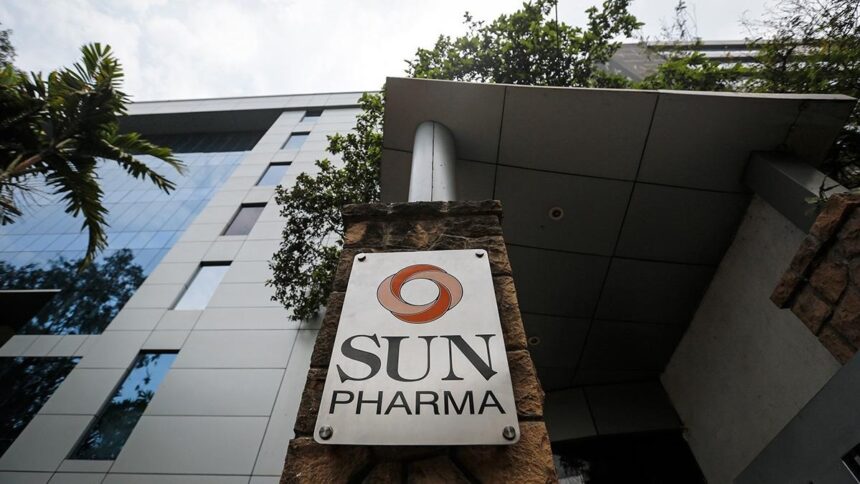
FinancialMediaGuide notes that Indian pharmaceuticals are entering a new level of international competition after Sun Pharmaceutical Industries announced the acquisition of the U.S.-based company Organon & Co for $11.75 billion including debt. The deal is already being regarded as the largest overseas acquisition in the history of India’s pharmaceutical sector and one of the most significant cross-border transactions in global pharma in recent years, reflecting the acceleration of global consolidation in the drug market and rising competition for assets in specialized therapeutics.
At FinancialMediaGuide, we note that this Sun Pharma–Organon deal signals a structural shift in the strategy of leading Indian pharmaceutical companies, which are gradually moving away from dependence on low-margin generics and increasing their presence in branded and specialty pharmaceuticals. Essentially, this represents a transition toward a global pharma model with more stable cash flows and a broader geographic footprint.
Sun Pharmaceutical Industries, India’s largest pharmaceutical company by market capitalization, offered $14 per share for Organon, roughly a 24% premium over the closing price prior to the announcement. According to FinancialMediaGuide analysts, this premium reflects a shortage of high-quality assets in women’s health, biosimilars, and chronic disease therapies, where global demand continues to grow faster than supply.
Organon & Co was spun off from Merck in 2021 and focuses on three core areas: women’s health, biosimilars, and established medicines. The company’s portfolio includes more than 70 drugs sold in approximately 140 countries. We believe that Organon’s global sales diversification is one of the key reasons for Sun Pharma’s interest, as it provides stable revenue across different economic cycles.
Additional market assessments show that Organon holds strong positions in hormone therapy and contraception, and is actively expanding in biosimilars, one of the fastest-growing segments in global pharmaceuticals. Industry analysis highlights that demand growth for biosimilars is driven by the need to reduce treatment costs while maintaining therapeutic effectiveness, creating a long-term structural trend.
The financial structure of the deal also plays a key role. The total valuation is approximately $11.75 billion including Organon’s debt, which stood at around $8.6 billion at the end of 2025. In contrast, Sun Pharma maintains a significantly stronger financial position, with debt of about $198.4 million and profits of approximately $1.16 billion. According to FinancialMediaGuide, this disparity reduces deal risk and gives the company flexibility in managing integration.
The acquisition is being financed through a combination of internal funds and bank financing. This structure is consistent with practices of major pharmaceutical corporations that use hybrid financing models to accelerate international expansion. In this case, it also reflects confidence in the stability of Organon’s future cash flows and potential synergies between the companies.
The market reacted to the news with Sun Pharma shares rising by around 8.5%, one of the strongest moves for the company in recent years. Investors view the deal as a strategic step toward business diversification and reduced dependence on the U.S. generics market, which remains under pressure from pricing regulation and pharmaceutical policy shifts.
From a strategic perspective, the deal strengthens Sun Pharma’s position in key therapeutic areas including dermatology, oncology, and obesity treatment. These segments are showing steady growth due to rising prevalence of chronic diseases and expanding access to modern therapies. The obesity drug market in particular is emerging as one of the most dynamic areas in global pharmaceuticals.
The geographic impact of the deal is also significant. Organon provides access to markets such as China, Brazil, and other emerging economies, where pharmaceutical consumption is growing above the global average. This strengthens Sun Pharma’s global presence and reduces reliance on specific regions, particularly the United States.
Broader market context shows that the pharmaceutical industry is undergoing active consolidation. Large companies are increasingly building diversified portfolios that combine innovative drugs, biotechnology, and specialty therapies. This approach helps offset rising R&D costs and increasing regulatory pressure in developed markets.
Particular attention is being given to women’s health and biosimilars, which are becoming key growth drivers in global pharma. Increasing life expectancy, rising chronic disease incidence, and the need to reduce healthcare costs are creating sustained demand in these segments. In the medium term, these categories may become major revenue engines for global pharmaceutical companies.
The integration of Sun Pharma and Organon will also involve managing debt load and aligning product portfolios. Despite the scale of the deal, Sun Pharma’s strong balance sheet suggests that financial risks are manageable. The main success factor will depend on execution quality and maintaining stability of Organon’s core product lines in global markets.
In a broader context, the deal reflects the growing role of Indian pharmaceutical companies in the global healthcare system. Historically focused on generics, they are now shifting toward more complex models with branded drugs and international markets. This transition is gradually reshaping the structure of global pharmaceutical competition.
At Financial Media Guide, we believe that the acquisition of Organon marks a new strategic phase for Sun Pharma, strengthening its position in specialty pharma, biosimilars, and women’s health, while expanding its global footprint. If successfully integrated, Sun Pharma could reinforce its status as a key global pharmaceutical player amid ongoing industry consolidation and rising demand for specialized therapies.