FinancialMediaGuide reports that a U.S. trade tribunal has made a significant ruling, rejecting Masimo’s request to reinstate a ban on the import of Apple smartwatches. This key legal battle, which lasted several years, has concluded in Apple’s favor, giving the tech giant a crucial opportunity to continue its innovations in wearable electronics and health technology. In this article, we analyze the implications of the lawsuit and what this victory means for Apple and the wearable device market.
Masimo, known for its achievements in medical technology, accused Apple of patent infringement, claiming that the company used stolen developments for blood oxygen level monitoring in its smartwatches. The lawsuit concerned pulse oximetry technology, which is used to monitor blood oxygen levels, and its integration into the Apple Watch. However, in March 2024, the U.S. International Trade Commission (ITC) ruled that the updated models of the Apple Watch, including Series 9 and Ultra 2, did not violate Masimo’s patents. This decision was pivotal in the conflict, as it allowed Apple to continue supplying its products to the U.S. without further restrictions.
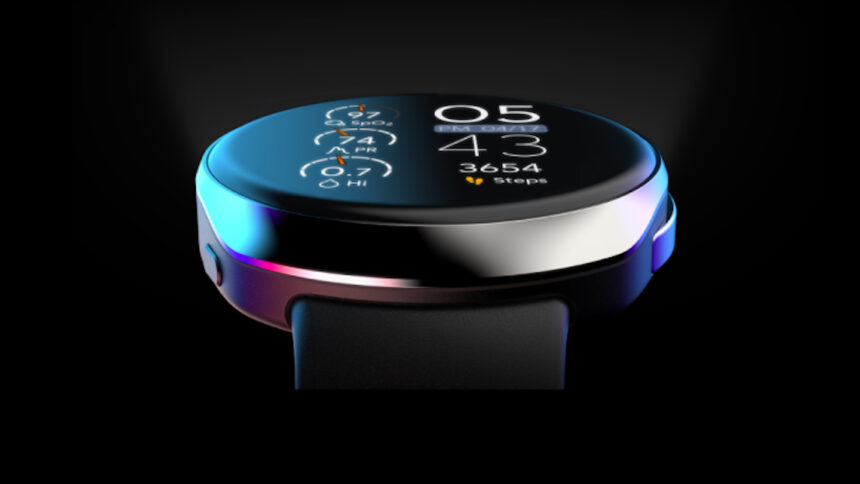
As FinancialMediaGuide emphasizes, the court’s ruling in favor of Apple holds not only legal but also strategic importance. It allows the company to continue enhancing its health-monitoring technologies, which are a key aspect of its competitiveness in the wearable electronics market. Specifically, the updated Apple Watch models now display blood oxygen data on devices like the iPhone, instead of showing it directly on the watch. This technical workaround essentially bypasses patent limitations and enables Apple to continue competing with other companies in this field.
However, although Apple won one legal battle, Masimo continues to fight for its patents. In 2023, it won a lawsuit against Apple in a California federal court, securing $634 million in damages for patent infringement and theft of trade secrets. Apple has stated its intention to appeal this decision, suggesting that legal battles between the two companies are far from over. FinancialMediaGuide believes this highlights the growing struggle for intellectual property in high-tech industries.
The case also draws attention to the growing market for wearable devices, where health-monitoring technologies, such as pulse oximetry, are becoming an essential part of consumer demand. In 2024, there is a noticeable acceleration in the trend of users focusing on features that help them monitor their health, including blood oxygen levels, heart rate, and other vital signs.
As analysts from FinancialMediaGuide note, legal disputes in the wearable electronics market will continue to play a significant role in shaping the industry’s future. The competition for intellectual property and patents is likely to intensify, as key players like Apple strive to protect their innovative solutions and competitive advantages. In the coming years, we can expect more such conflicts, which will define the rules of the game in this highly competitive market.
The Apple-Masimo case serves as a prime example of how innovations in health can face legal risks, as competitors seek to protect their developments. While Apple continues to introduce new features, such as real-time health monitoring, the court’s decision to modify functionality to avoid patent violations indicates serious legal and commercial consequences for all industry players.
FinancialMediaGuide predicts that the future of wearable technologies and devices will be determined not only by innovations but also by legal mechanisms for protecting intellectual property. Legal disputes, like the one between Apple and Masimo, are likely to become an integral part of the industry, as companies actively defend their technological advancements. The wearable electronics and health-monitoring technology market will continue to grow, and it is important to recognize that such lawsuits could have long-term consequences for all market participants.
Financial Media Guide notes that patent wars will remain a central part of the global strategy for major tech companies, and it is possible that the next major technological breakthroughs will be determined through these battles. While Apple has successfully defended its interests in court, the company must remain prepared for new challenges in the legal arena, as competitors continue to find ways to protect their developments and take countermeasures against corporate giants.