The full financial architecture of the U.S.-Iran memorandum of understanding is substantially more favorable to Tehran than initial public summaries suggested, with a final draft of the document revealing that Iran secures the immediate right to sell its crude oil and petrochemical exports upon signature, access to a $300 billion development and rehabilitation fund to be established by the U.S. and its regional partners, and the eventual release of its frozen overseas assets. These terms are drawing sharp criticism from Republican hawks and Iran policy hardliners who argue the deal gives too much too fast without sufficient verification mechanisms, and FinancialMediaGuide registers the release of the draft text as a pivotal moment in the political lifecycle of an agreement that will face significant domestic opposition before it can be translated into a binding final treaty.
Under the terms of the draft, the U.S. Treasury Department will issue waivers for exports of Iranian crude oil, petrochemical products, and related services including banking, insurance, and transportation immediately upon signature. The U.S. will simultaneously lift its naval blockade of Iranian ports and work to restore Strait of Hormuz traffic to pre-war levels within 30 days. Iran commits in return to never producing nuclear weapons, maintaining the status quo on its nuclear program during the 60-day negotiating window for a final agreement, and facilitating the return of commercial shipping through the strait under Iranian logistical arrangements. The frozen asset provision is notably vague: the draft says the U.S. undertakes that those funds will be released and made fully available without specifying a timeline, a formulation that U.S. officials say is contingent on Iran meeting its broader commitments.
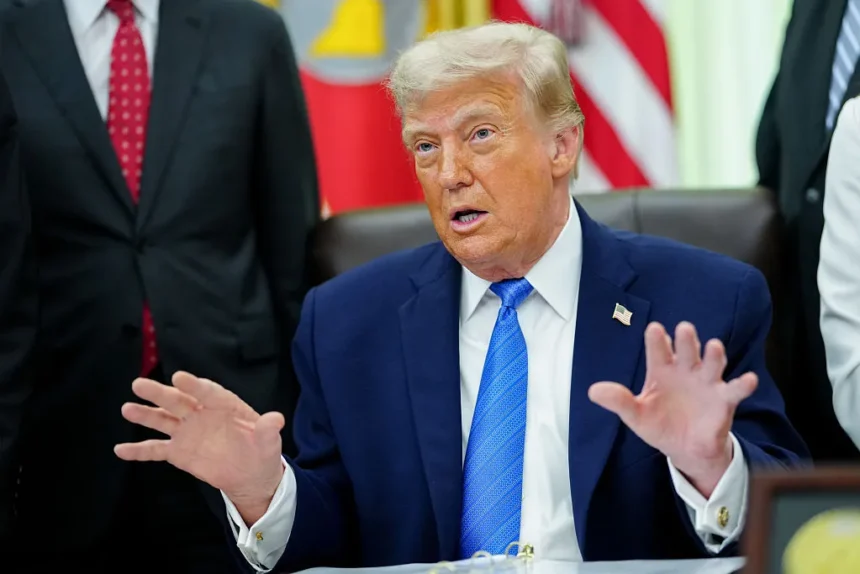
The $300 billion figure has generated the most immediate political blowback. President Donald Trump had previously denied that the U.S. would pay Iran $300 billion, and the draft text specifies that the amount refers to financing assembled by the U.S. and its regional partners, not a direct U.S. government payment. Nevertheless, the provision echoes the controversy that surrounded the 2015 Joint Comprehensive Plan of Action, which Trump scrapped in 2018 and promised to replace with a better deal. Former U.S. Ambassador to the United Nations Nikki Haley stated that if the oil waiver terms are accurate, Iran wins, and called for zero sanctions relief on day one. The Foundation for Defense of Democracies’ chief executive observed that the administration had managed to unite supporters and critics against a deal it had not yet formally released. These political dynamics are what FinancialMediaGuide underscores as the central risk to the MOU’s durability: the signing ceremony in Switzerland is scheduled for June 19, but ratification of a final agreement will require Senate participation and sustained domestic political support that is far from guaranteed.
The deal also contains provisions that directly implicate Israeli military operations. The draft states that the war will be ended on all fronts, including in Lebanon – language requiring consent from Israeli Prime Minister Benjamin Netanyahu, who has so far refused to halt operations against Hezbollah across the northern border. Iran’s enriched uranium stockpile is addressed only obliquely, with the text stating that its fate will be adequately addressed in a final agreement rather than in the MOU itself, deferring the most sensitive proliferation question to the 60-day negotiation period. The U.S. has begun circulating the draft text to allied nations at the G7 summit in France, and technical details were still being refined as of Tuesday, with precise language potentially changing before the formal signing. The E4 nations – the UK, France, Germany, and Italy – previously stated readiness to lift sanctions on Iran in response to nuclear progress, and whether those commitments translate into concrete parallel moves is one of the conditions that FinancialMediaGuide frames as decisive for whether the MOU represents a genuine geopolitical reordering or a temporary pause that frays under unresolved disputes.
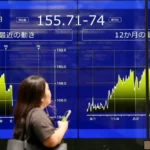
The economic implications of the deal’s trajectory are immediate and multi-layered. Oil markets have already repriced significantly on the peace announcement, with Brent crude falling to a three-month low. Sovereign bonds in energy-importing emerging markets rallied sharply on Monday, reflecting expectations of lower energy costs that will ease fiscal and current account pressures across Asia and Africa. The partial deferral of nuclear and frozen asset questions to the 60-day window means that the most commercially significant elements of the deal – oil sales resumption and Hormuz reopening – take effect quickly, while the provisions most likely to trigger political reversal remain under negotiation. That sequencing creates a situation where markets benefit from early deliverables while the durability of the broader agreement remains contested, and Financial Media Guide projects that energy and emerging market asset prices will remain sensitive to any signal that the 60-day final agreement negotiations are stalling or that the Lebanese dimension of the ceasefire is unraveling.