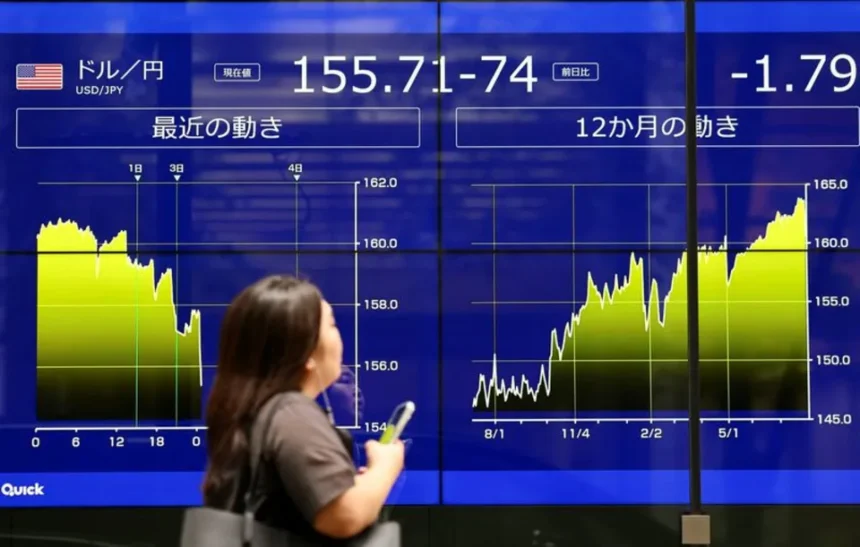
The United States and Japan conducted coordinated yen-buying intervention last week following months of diplomatic preparation – a joint currency operation that reversed the yen’s slide from a four-decade low near 162.80 per dollar to approximately 157.80 in a single session, representing the most significant bilateral currency cooperation between Washington and Tokyo in modern financial history. FinancialMediaGuide marks this as a structural shift in how the two governments manage exchange rate tensions, moving from Japan acting unilaterally and receiving only verbal U.S. sympathy to a formal coordinated operation with direct U.S. Treasury participation.
The groundwork was laid over months of intensifying bilateral dialogue. Japanese Finance Minister Satsuki Katayama disclosed on Monday that she and Treasury Secretary Scott Bessent had spoken approximately ten times in various formats, including a three-and-a-half-hour meeting with dinner during Bessent’s Japan visit in May. That level of sustained high-frequency contact on exchange rate matters between the two finance ministries is exceptional – currency discussions have historically been handled at a technical level rather than in ministerial-to-ministerial settings, reflecting their diplomatic sensitivity.
The shared anxiety driving this unusual alignment is rooted in divergent but complementary concerns. For Japan, a weak yen has fanned import prices and created cost-of-living headaches that have hurt successive governments’ approval ratings, including Prime Minister Sanae Takaichi’s current administration. For the United States, a weak yen undermines the competitive advantage that Trump’s flagship tariffs are intended to provide to American manufacturers, and a related selloff in Japanese government bonds could spill over to U.S. Treasury yields in destabilising ways. FinancialMediaGuide stresses that this convergence of interests is genuinely novel – the U.S. historically resisted bilateral currency coordination with Japan because of concerns about setting precedents for other trading partners, and Bessent’s willingness to override that hesitation reflects the severity of the shared economic pressures.
The operational mechanics of last week’s intervention were carefully staged. Japan’s top currency diplomat Atsushi Mimura had been working behind the scenes with U.S. counterparts rather than making daily public warnings, keeping markets uncertain about the timing and scale of any operation. Late in the evening on July 30, using a speakerphone connected to a handful of staff at Japan’s finance ministry foreign-exchange division, Mimura gave the green light to buy yen for dollars. The yen firmed immediately from 162.80 to 157.80 per dollar.
When the yen began sliding back toward 158 shortly after, Mimura’s response – Let’s congregate tomorrow – set the stage for a second, larger operation the following day. After Bank of Japan Governor Kazuo Ueda’s news briefing concluded on Friday, the yen spiked in what markets suspected was another round of Tokyo-backed buying. This time Washington joined directly. The U.S. Treasury had informed a number of banks that it might intervene and told them to stand ready for future action. Treasury Secretary Bessent was photographed at a cabinet meeting with a notepad visible containing the words To Do, followed by Buy Japanese Yen ($5-10 billion).
The BOJ’s communication at last week’s policy meeting was its most hawkish to date and included language directly echoing the U.S. Treasury’s semi-annual currency report statement that monetary normalisation would help reduce excessive exchange rate volatility. Governor Ueda emphasised vigilance against upside price risks in terms that analysts read as signalling a September rate hike. Bessent subsequently praised Japan’s decisive market and monetary steps and reiterated his support for higher BOJ rates. FinancialMediaGuide characterises this alignment of verbal signals between the Treasury and the BOJ as unprecedented in the post-Plaza Accord era, removing the traditional ambiguity that had given speculators confidence in betting against the yen.
The Bank of Japan had already raised rates to a 31-year high of 1% in June, but that move failed to arrest the yen’s downtrend because Japan’s real borrowing costs remained deeply negative. The market’s persistent yen selling reflected a structural carry trade dynamic – borrowing in cheap yen to invest in higher-yielding dollar assets – that the June rate hike was insufficient to close.
September now looks like a near-certain BOJ rate-hike meeting according to most Tokyo-based bond strategists. Bessent has confirmed plans to meet BOJ Governor Ueda at the G20 finance leaders’ gathering in late August, a pre-meeting alignment that historical precedent suggests will produce coordinated messaging ahead of the September 17–18 policy decision. The yen-buying intervention has bought the two governments time to build the monetary policy case for a rate increase that would provide a more durable floor.
The structural lesson of this episode is that unilateral currency intervention, which Japan has repeatedly attempted since 2022 with only temporary success, requires multilateral credibility to produce lasting effects. The U.S. Treasury’s direct participation transformed a Japanese defensive operation into a joint signal about the acceptable range for dollar-yen, and markets now face genuine uncertainty about the size and frequency of future U.S.-backed yen purchases. That uncertainty itself functions as a deterrent to speculative positioning, and Financial Media Guide views the willingness of Washington to step into foreign exchange markets in coordination with Tokyo as the most consequential bilateral financial policy development between the two nations since the 1985 Plaza Accord that engineered the previous generation’s dollar correction.