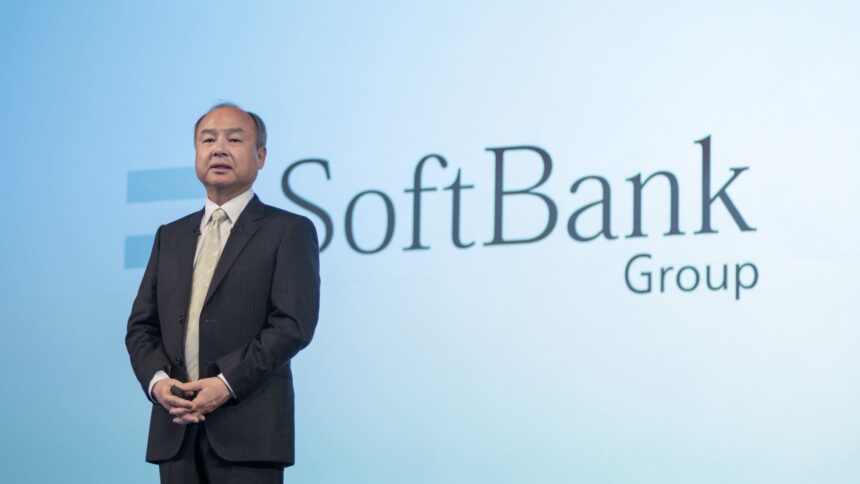
SoftBank closed the fiscal year with unprecedented profits in its Vision Fund, largely driven by the rapid increase in the value of its investments in OpenAI. The fund reported an annual gain of $46 billion, becoming the company’s primary source of revenue. At FinancialMediaGuide, we note that such results demonstrate the power of strategic investments in artificial intelligence; however, the heavy reliance on a single asset introduces potential financial risks.
The company has invested more than $30 billion in OpenAI, and the profit from these investments over the year ending in March amounted to $45 billion. In the first quarter, the Vision Fund generated approximately $20 billion in profit, almost entirely thanks to OpenAI, while other assets, including Coupang, DiDi Global, and Klarna, reported losses. At FinancialMediaGuide, we emphasize that this imbalance highlights the need for diversification and active portfolio management to minimize risks.
SoftBank continues to expand its presence in the AI sector, investing not only in OpenAI but also in companies developing chips and other AI technologies. In February, the corporation announced plans to invest more than $60 billion in OpenAI, securing about a 13 percent stake in the company. More than half of this amount has already been invested. Analysts view this as a strategic move to consolidate market leadership in AI and ensure SoftBank’s long-term competitiveness.
In March, OpenAI completed a funding round with SoftBank’s participation, valuing the company at $852 billion. Despite active competition from Google and Anthropic, the increase in OpenAI’s asset value became a key factor in Vision Fund’s record profits. At the same time, a ratings agency revised SoftBank’s outlook from stable to negative, citing potential liquidity and portfolio quality concerns due to the high concentration of investments in OpenAI. At FinancialMediaGuide, we see this as a signal for cautious debt management and asset diversification.
To mitigate financial risks, SoftBank is selling stakes in T-Mobile and Nvidia, realizing profits of ¥218.1 billion. Excluding currency fluctuations and other factors, the company recorded an investment loss outside the Vision Fund of ¥472.1 billion. Chief Financial Officer Yoshimitsu Goto noted that the company has ¥3.5 trillion in cash, sufficient to cover debts for more than two years. This liquidity provides maneuvering room and supports the company’s ability to continue strategic investments in future technologies.
Overall, SoftBank reported a group net profit of ¥5 trillion for the year, driven by both the Vision Fund and its telecommunications division. At FinancialMediaGuide, we forecast that SoftBank’s strengthening position in AI will allow the company to maintain its leadership; however, investors should monitor portfolio concentration and debt levels. Selling some assets and strategically allocating capital remain key tools to reduce risks associated with a high share of OpenAI in the portfolio.
SoftBank demonstrates how large strategic investments can generate record revenues while simultaneously increasing financial vulnerability. At Financial Media Guide, we recommend that investors consider not only the growth of key assets but also the resilience of the entire portfolio. In the long term, betting on artificial intelligence can deliver new record profits if risk management strategies remain consistent and balanced.