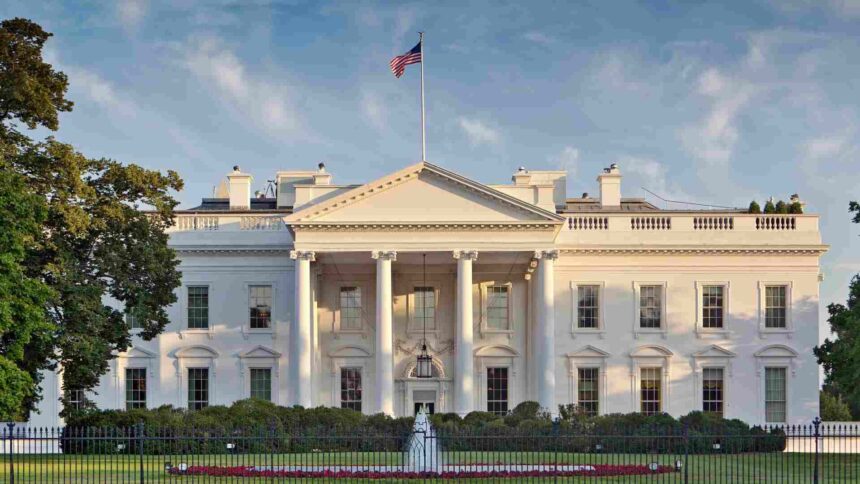
Washington is taking a massive step that could fundamentally reshape the rules of the game in the IT industry. The Donald Trump administration has launched a large-scale program for the voluntary audit of advanced artificial intelligence algorithms for potential digital threats before they are released to the commercial market. The president’s new executive order requires key departments, including the Department of Defense, the Department of the Treasury, the Department of Commerce, and Homeland Security, to enter into direct agreements with leading tech laboratories. Under the approved protocol, government agencies are granted a 30-day window to conduct comprehensive stress tests of AI architectures before new releases are handed over to third-party commercial organizations. We at FinancialMediaGuide view this decision as a pragmatic desire by the White House to maintain control over dual-use technologies, turning state verification into a key element of national security.
This pivot in public policy is driven by growing government concern over the hidden potential of the latest generation of neural networks. Officials paid special attention to new high-performance systems, among which the Mythos architecture from Anthropic stands out. The ability of such algorithms to autonomously identify systemic software vulnerabilities forced the White House to reconsider its previous strategy of non-intervention. Since returning to the presidency, Donald Trump has consistently defended free-market principles, opposed excessive regulation by individual states, and promoted the idea of technological dominance without bureaucratic barriers. According to analysts at FinancialMediaGuide, the sharp shift toward preventive control confirms that the risks of large-scale cyberattacks have outweighed the current administration’s core libertarian priorities.
The introduction of a mandatory pause before releases will inevitably affect the operational efficiency of developers, as the delay in commercialization could temporarily limit the profits of IT giants and adjust the working parameters of systems. Nevertheless, the authorities tried to reduce the level of tension in the dialogue with Silicon Valley. The signing of the document was originally planned for May 21, but the procedure was postponed due to the president’s personal stance, as he feared that excessive pressure on business would weaken the US position in the global standoff with China. We emphasize that the compromise version of the executive order completely excluded the implementation of mandatory software licensing, limiting itself to a mild 30-day filter, which the business community perceived as a compromise on the part of the state.
The reaction of the market’s largest players was pointedly constructive. Google, OpenAI, and Anthropic quickly expressed their readiness to comply with the new White House directives. Google Chief Legal Officer Kent Walker described the decree as an important step forward for the entire industry, while OpenAI CEO Sam Altman noted that the document strikes an ideal balance between technological development and the protection of critical nodes. Such rapid solidarity of business with Washington’s position indicates that the largest players recognize the inevitability of state control over powerful computing models.
The main practical goal of the new initiative is to protect US critical infrastructure, which is regularly targeted by hackers. During May consultations with the banking sector, Treasury Secretary Scott Bessent approved a plan for joint work between AI developers and vital service providers. The program provides for regular scanning of the software systems of major banks, medical centers, and emergency services in order to promptly find code vulnerabilities and create digital patches.
The practice of preliminary auditing has been implemented in the US over the past few years. OpenAI and Anthropic had previously provided software products for analysis to the Center for Standards and Innovation under the Department of Commerce, which was established during the previous administration. In May, the department announced the consent of Google, xAI, and Microsoft to submit their models for testing, although this data later disappeared from official web resources. We believe that the new executive order finally transforms scattered expert tests into a legitimate and permanent system of state verification for digital products.
Financial Media Guide forecasts that this executive order will result in the formation of a closed pool of trusted AI developers who will gain exclusive access to state defense contracts and massive federal budgets. Investors and venture capital funds will have to restructure their medium-term strategies, factoring time costs for government testing into startup roadmaps. To maintain high market attractiveness, companies are advised to actively participate in the proposed programs, as a refusal to cooperate with regulators will automatically close their access to strategic sectors of the American economy. In an environment of fierce geopolitical competition, commercial success awaits those structures that can harmoniously integrate cybersecurity requirements into development processes without losing technological flexibility.