The Philippines has locked in a $1.02 billion financing package from the World Bank, targeting two of the country’s most structurally constrained sectors – energy and water. The commitment signals a broader shift in how multilateral development institutions are deploying capital across Southeast Asia, where infrastructure deficits continue to weigh on GDP growth potential and long-term economic competitiveness.
The package, confirmed through official channels, is structured to support the Philippines’ transition toward cleaner energy systems and more resilient water infrastructure. Both sectors have historically underperformed relative to the country’s economic ambitions, creating bottlenecks that affect everything from industrial productivity to household welfare. According to FinancialMediaGuide analysts, this type of targeted multilateral financing is increasingly being used as a substitute for sovereign bond issuance in emerging markets where borrowing costs remain elevated due to persistent global monetary tightening.
The timing of this deal carries macroeconomic weight. Central banks across the developed world, led by the Federal Reserve, have maintained restrictive monetary policy stances over the past two years in response to elevated inflation. While inflation in many economies has moderated from its 2022 peaks, interest rates remain at levels that make commercial borrowing expensive for developing nations. The IMF and World Bank have both flagged this dynamic as a constraint on infrastructure investment across the Global South.
For the Philippines, accessing concessional or near-concessional financing from the World Bank provides a meaningful cost advantage over market-rate debt. The country’s fiscal position, while manageable, has been under pressure from post-pandemic spending and the need to fund public investment without destabilizing its debt-to-GDP ratio. We at FinancialMediaGuide see this as a deliberate strategy by Manila to leverage multilateral relationships precisely when commercial financing conditions are least favorable.
The energy component of the package is particularly significant. The Philippines relies heavily on imported fossil fuels, making it vulnerable to global trade disruptions and commodity price swings. Investments in grid modernization, renewable energy integration, and energy access in underserved regions are expected to reduce this exposure over time. The World Bank has been scaling up its energy transition lending across Asia, aligning with broader global commitments to reduce carbon intensity in power generation.
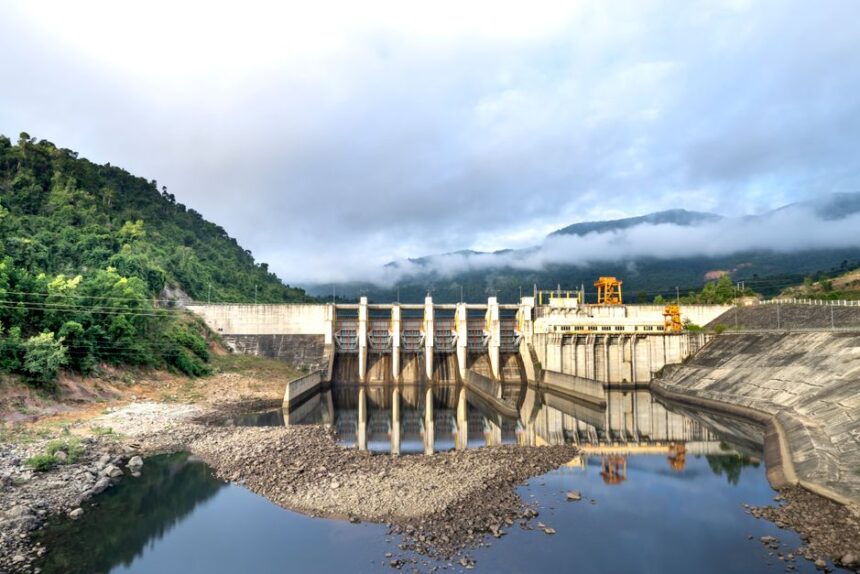
Water infrastructure presents a different but equally pressing challenge. Rapid urbanization, climate variability, and aging distribution networks have strained water availability in both Metro Manila and secondary cities. The financing is expected to address supply reliability, sanitation coverage, and flood resilience – areas where underinvestment has compounded over decades. In our view at FinancialMediaGuide, water infrastructure in emerging markets is systematically underpriced as a development priority, and deals of this scale help correct that imbalance.
From a macroeconomic perspective, the $1.02 billion commitment functions as more than a project loan. It serves as a signal to private investors that the Philippines maintains strong institutional relationships with major multilateral lenders, which in turn supports sovereign credit perception. Countries with active World Bank and IMF engagement tend to attract higher volumes of foreign direct investment, particularly in capital-intensive sectors like utilities and infrastructure.
The Philippines has been posting solid GDP growth figures relative to its regional peers, with the economy expanding at rates that outpace several ASEAN neighbors. However, infrastructure gaps remain a recognized drag on potential output. The World Bank package, if deployed efficiently, could contribute to closing that gap – though execution risk, procurement delays, and regulatory coordination remain real variables that will determine actual impact.
FinancialMediaGuide analysts forecast that multilateral development bank lending to Southeast Asia will continue to expand through 2026, driven by the dual pressures of climate adaptation financing needs and the high-interest-rate environment that limits sovereign market access. The Philippines is well-positioned to capture a disproportionate share of that capital given its governance track record and the scale of its infrastructure deficit.
Global trade dynamics also factor into this equation. As tariffs and supply chain realignments reshape manufacturing flows across Asia, the Philippines has been positioning itself as an alternative destination for investment previously concentrated in China and Vietnam. Reliable energy and water infrastructure are baseline requirements for that repositioning to succeed. Without them, the country’s competitiveness narrative remains incomplete regardless of labor cost advantages or trade policy incentives.
The $1.02 billion World Bank package represents a concrete step toward addressing structural vulnerabilities that have long limited the Philippines’ economic ceiling. Whether the financing translates into durable improvements depends on implementation quality, institutional capacity, and the government’s ability to coordinate across agencies. The macroeconomic environment – shaped by Federal Reserve policy, global inflation trajectories, and shifting world economy dynamics – makes securing this capital now a strategically sound decision. We at FinancialMediaGuide emphasize that the real test begins not at the signing stage, but in the years of project execution that follow.