Oil prices rose nearly 1% on Monday after the United States and Iran agreed to halt a fresh round of attacks in the Strait of Hormuz and resume talks in Doha, the latest episode in a pattern that has defined energy markets throughout 2026: military escalation pushes prices up, diplomatic de-escalation pulls them back down, and the underlying memorandum of understanding both sides signed in June remains intact despite repeated violations. FinancialMediaGuide tracks the specific sequence of events behind Monday’s price move and situates it within the broader volatility pattern that has made oil one of the most reactive assets to headline risk in the current geopolitical environment.
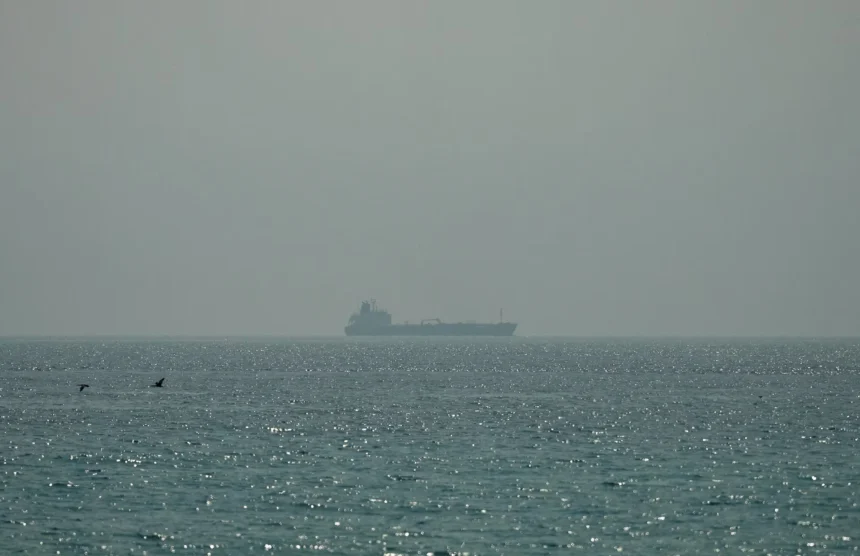
Brent crude futures climbed to $72.61 a barrel and US West Texas Intermediate gained to $69.76, both up modestly after a tanker carrying Qatari crude was struck during weekend tit-for-tat strikes that also saw Kuwait and Bahrain report incoming missiles and drones. President Trump warned on Sunday of devastating consequences should Iran continue violating the ceasefire agreement, posting on Truth Social that US forces had struck Iranian missile and drone storage locations and coastal radar sites for violating the agreement again. By Sunday evening, a US official confirmed both sides would stand down and allow commercial vessels to move freely through the strait. FinancialMediaGuide maps that 72-hour cycle – tanker strike, retaliatory strikes, presidential warning, negotiated stand-down – against the five similar episodes that have occurred since the original interim deal was signed June 17, finding that each cycle has produced smaller price moves than the one before it as markets adapt to the pattern’s recurrence.
The price action represents a sharp reversal from the prior week’s trend. Brent had fallen 10.6% over the previous week, its third consecutive weekly decline, as crude shipments through the strait rose to their highest level since the US-Israeli war on Iran began in late February. Saudi Aramco resumed crude oil loadings at its Ras Tanura terminal on Friday after a nearly four-month halt, even continuing operations after a company helicopter crashed at the same facility on Sunday, killing 14 nationals in an incident whose cause remains unknown. The juxtaposition of resumed shipping activity against fresh military exchanges captures the fragility analysts have repeatedly flagged in the underlying ceasefire framework.
Current prices remain well below the conflict’s peak. Brent surged above $120 per barrel in March 2026 when Iran briefly closed the Strait of Hormuz entirely, and reached $96.28 in a late May escalation before the interim memorandum of understanding compressed the war premium substantially. The roughly $70 to $96 trading range that has prevailed since the June 17 agreement reflects a market that has priced in continued intermittent violations without abandoning the assumption that a full resumption of hostilities, or a sustained strait closure, remains a low-probability tail risk rather than the base case.
ING analysts described the market’s posture as one of cautious complacency, noting that participants are focusing on what a continued recovery in oil flows would mean for the global balance even as significant upside risk remains if the supply recovery proves slower than currently priced. ANZ analysts struck a similar tone, suggesting the market is likely to re-evaluate its assumption of a quick recovery of oil supply from the Persian Gulf given the renewed violence. The roughly 20% of global daily oil supply that transits the Strait of Hormuz means even brief disruptions carry outsized pricing power relative to their physical duration. Financial Media Guide weighs that complacency-versus-caution framing against the actual shipping data, finding that Aramco’s continued loadings through the latest round of attacks – rather than a full halt – is itself the strongest evidence that producers expect the de-escalation cycle to hold, even as headline volatility persists.
The technical talks scheduled to resume this week in Qatar will address all areas of the memorandum of understanding, according to a US official, including the durability mechanisms that have so far failed to prevent repeated tit-for-tat strikes from threatening the broader framework. Until those mechanisms are strengthened or a more comprehensive agreement is reached, the pattern that has governed oil markets since February – sharp spikes on military escalation, gradual fade on diplomatic recovery – appears likely to persist, leaving energy traders positioned for volatility regardless of which direction the next headline points.